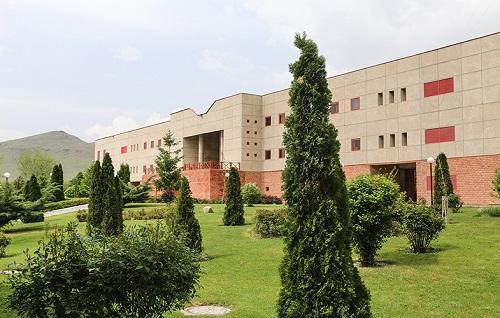
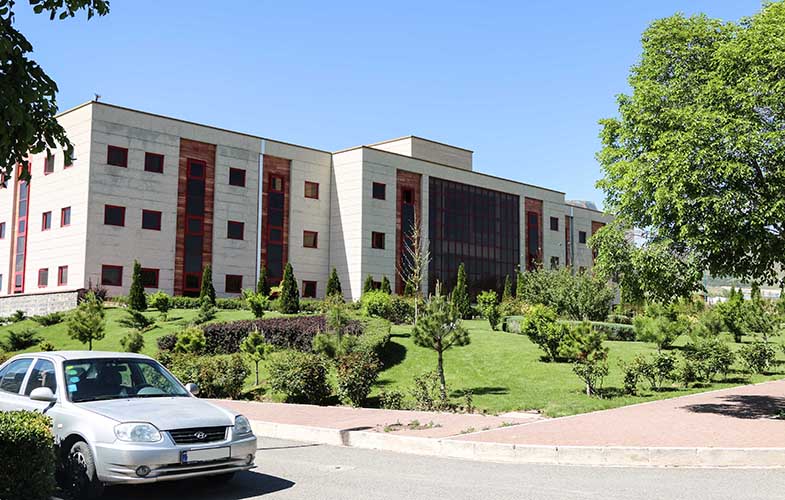
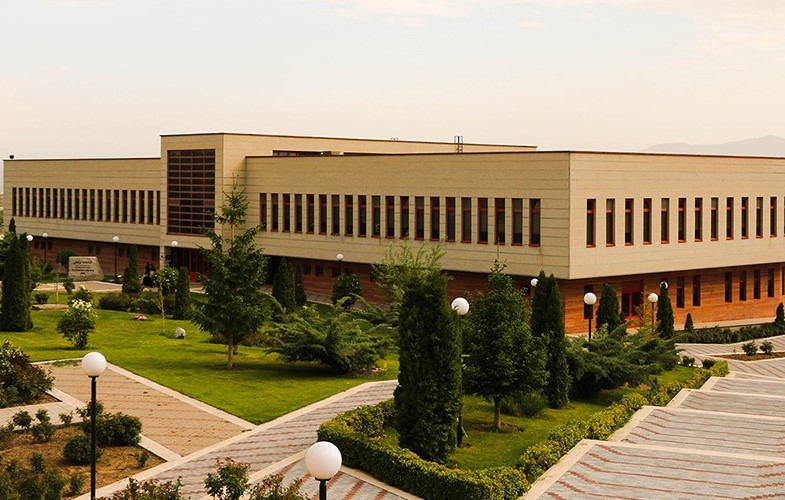
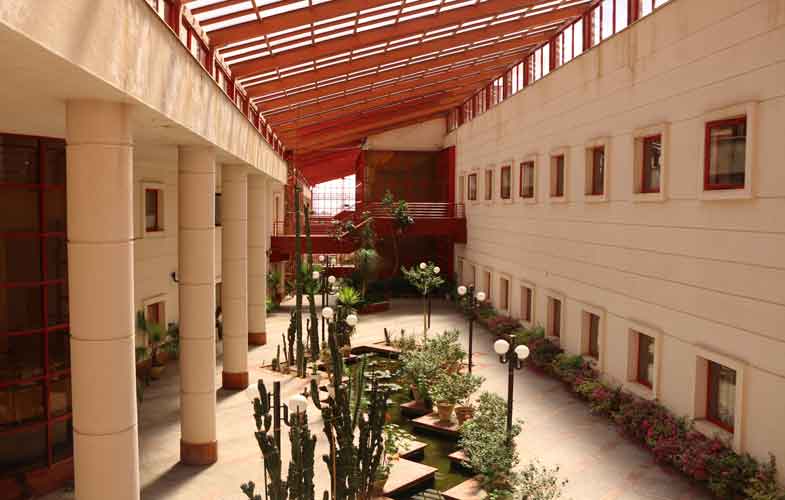
In the green atrium of the Department of Physics at the Institute for Advanced Studies in Basic Sciences (IASBS), where light falls from the glass ceiling and the quiet of the environment resonates with the sound of water, a silent and steadfast plant has taken root for many years. The plant is called agave, and its story extends from ancient history to the present day, gaining meaning along the way.
The agave plant, which in ancient cultures has been known by names such as maguey and the century plant, is native to North America and has a history of at least twelve thousand years. Archaeological evidence from Guitarrero Cave shows that hunter-gatherer communities used this plant as a source of food, fibre, and tools thousands of years ago, and this long-standing relationship has continued to the present day, gaining significance.
This plant belongs to the Asparagaceae family and has more than 300 known species. It grows in arid, semi-arid, and temperate forest regions, and shows resilience in harsh environmental conditions. Various species, from Agave angustifolia and Agave fourcroydes to Agave tequilana and Agave salmiana, have each had extensive uses in the production of fibres, sweet sap, traditional beverages, small tools, construction materials, and even fuel, and this diversity highlights its cultural and economic value.
In the Maya and Aztec civilisations, agave was not only a source of food and industry but also part of the cultural and mythological identity of the people. The goddess Mayahuel, the guardian of this plant, held a special place in Aztec mythology, and images related to fibres and tools made from agave appear in ancient manuscripts, confirming and sustaining this connection.
The domestication of agave also has a complex and multilayered history. Some species, such as henequen, were domesticated by the Maya, while others remained in intermediate stages of domestication. Differences between wild and domesticated species can be seen in size, the number of thorns, and genetic diversity, and the importance of these characteristics is the result of thousands of years of human management.
The agave plant that is now present at the Department of Physics at the Institute for Advanced Studies in Basic Sciences (IASBS) carries with it part of this long history. Its thick and fibrous leaves, once used in ancient civilisations to make ropes, fabrics, sandals, fishing nets, and even ritual tools, now spread beside the calm water feature of the Department and continue their quiet life.
What has happened in recent days, however, is an exceptional and rare moment. The agave plant at the Department of Physics has flowered, marking the peak of a long biological cycle.
The agave plant is monocarpic, meaning that it flowers only once at the end of its life. After transferring all the energy stored over many years, it produces a tall and branching stalk, opens its yellow blossoms, and completes its life cycle. This phenomenon, which in nature can reach a height of eight to nine metres, is also displaying remarkable splendour in the indoor space of the Department, drawing the attention of every passer-by.
This flowering is not merely a biological event. It is a narrative of patience, of taking root in silence, of years during which the plant is not seen but gathers energy within itself and continues its path. The agave plant reminds us that flourishing is not always sudden. It is the result of years of perseverance, quiet effort, and resilience in the face of difficult conditions.
The flowering of this plant in the Physics atrium is not only a natural beauty for the university community, but also a lesson, an inspiration, and a sign of growth and hope that illuminates the scientific and cultural path of the university and inspires motivation.
Just as this plant blossomed after years of endurance, the university too, through the calm but continuous efforts of its students, researchers, and lecturers, advances and reaches new flourishing points every day.
Today, beside this rare flower that shines among the gentle light of the huge atrium/greenhouse that houses the Department of Physics; the water feature, and the surrounding plants; we also pause and remember that every meaningful path is built with patience, perseverance, and faith in the future, and continues onward.
The agave plant at the Department of Physics has flowered, and this flower is regarded as a bright messenger of a more fruitful tomorrow for the IASBS, bringing inspiration.
To watch a short clip of this plant, please follow the link below on Aparat:
https://www.aparat.com/v/xkvl2z1
Public Relations Office, IASBS
Tue, 05 May 2026

Developed by the IASBS Computer Centre
IP Address:[216.73.217.169] Browser: Mozilla/5.0 AppleWebKit/537.36 (KHTML, like Gecko; compatible; ClaudeBot/1.0; +claudebot@anthropic.com)