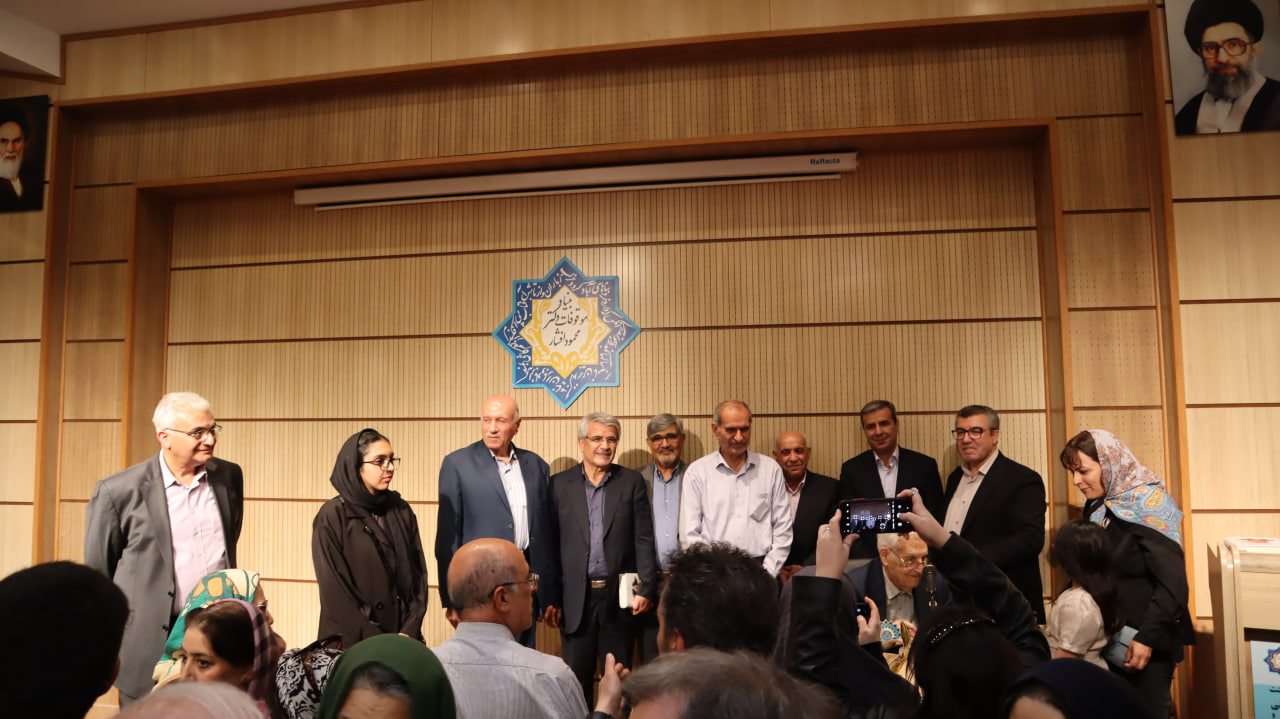
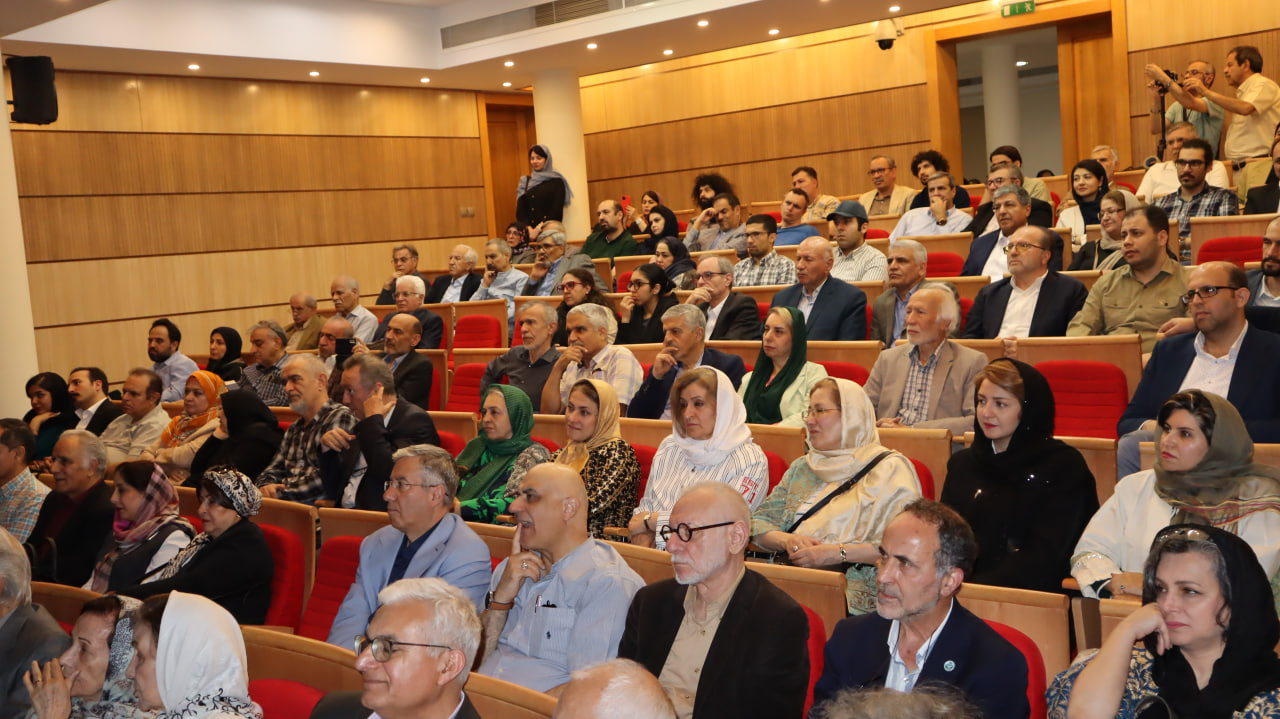
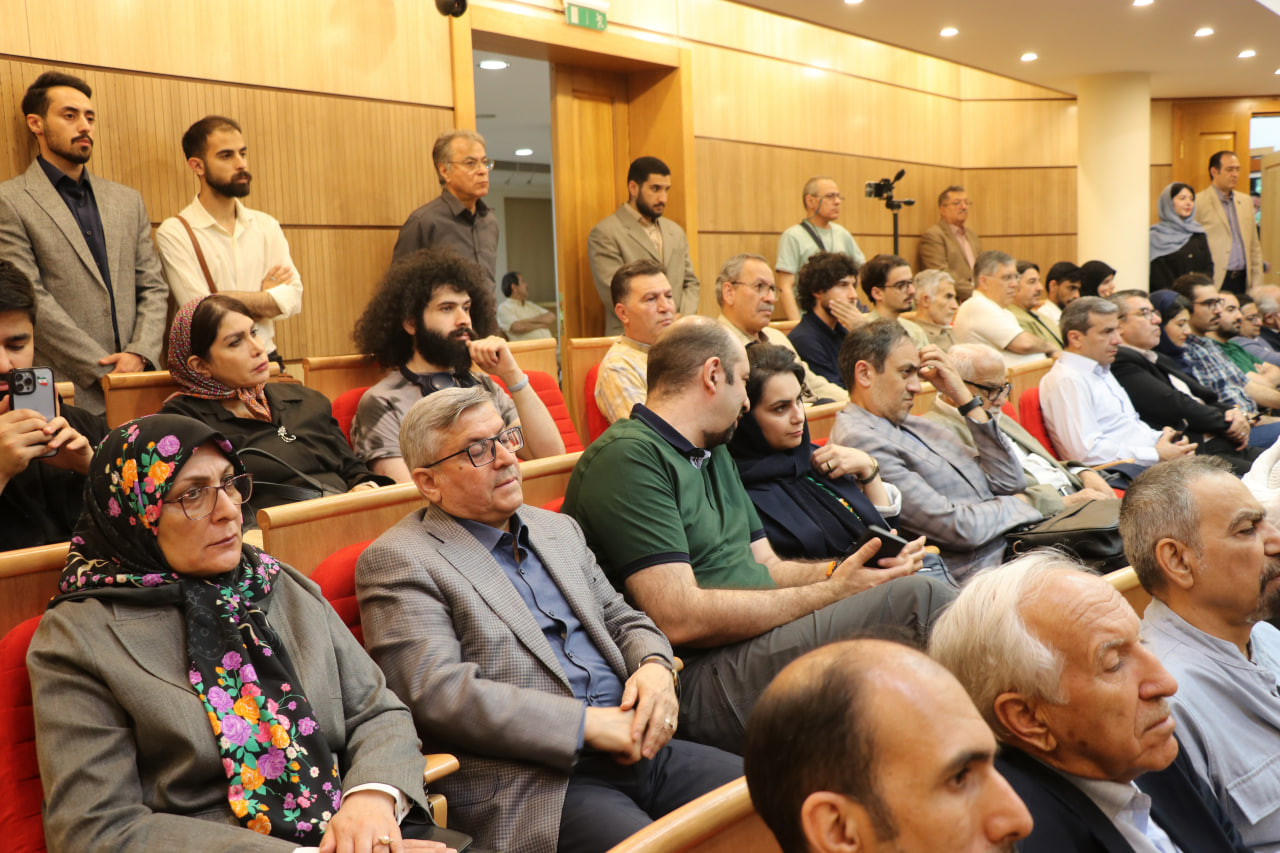
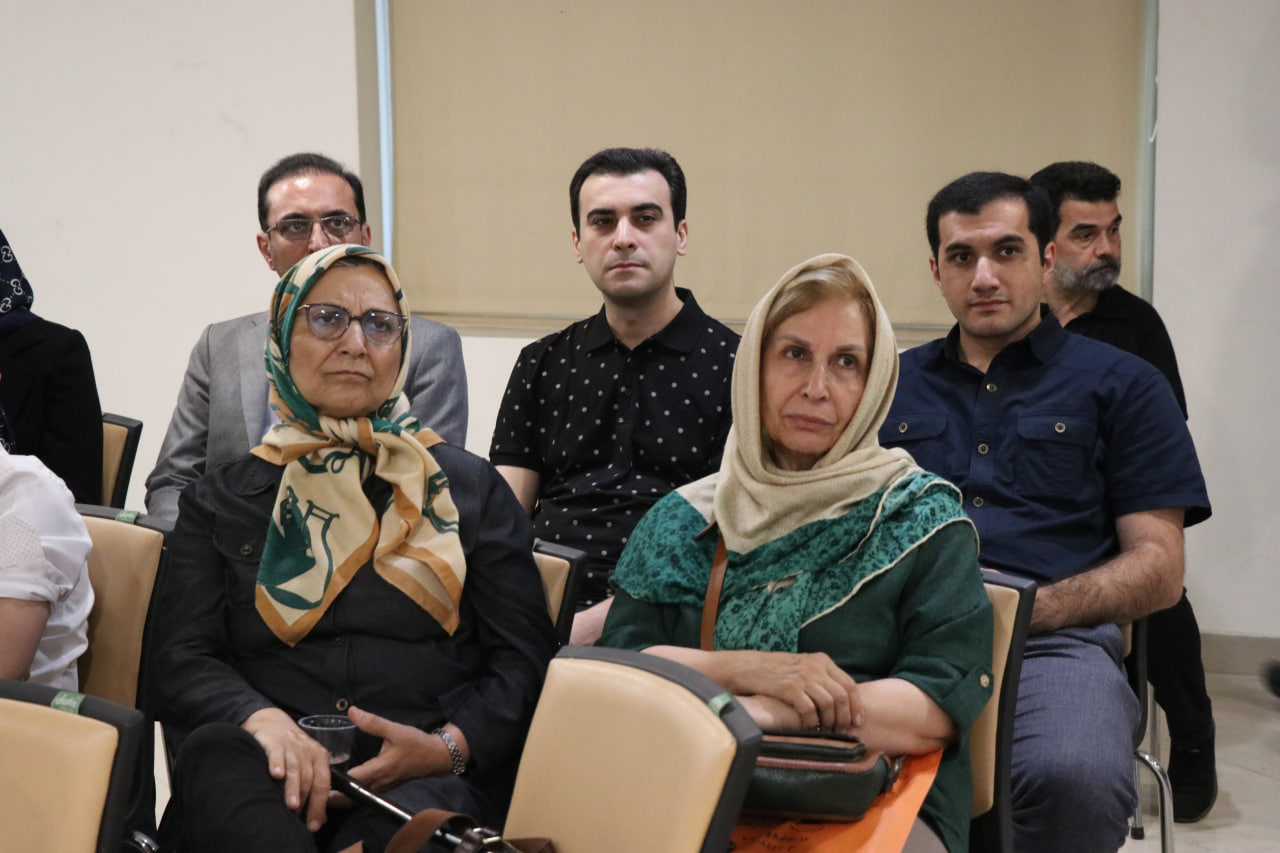
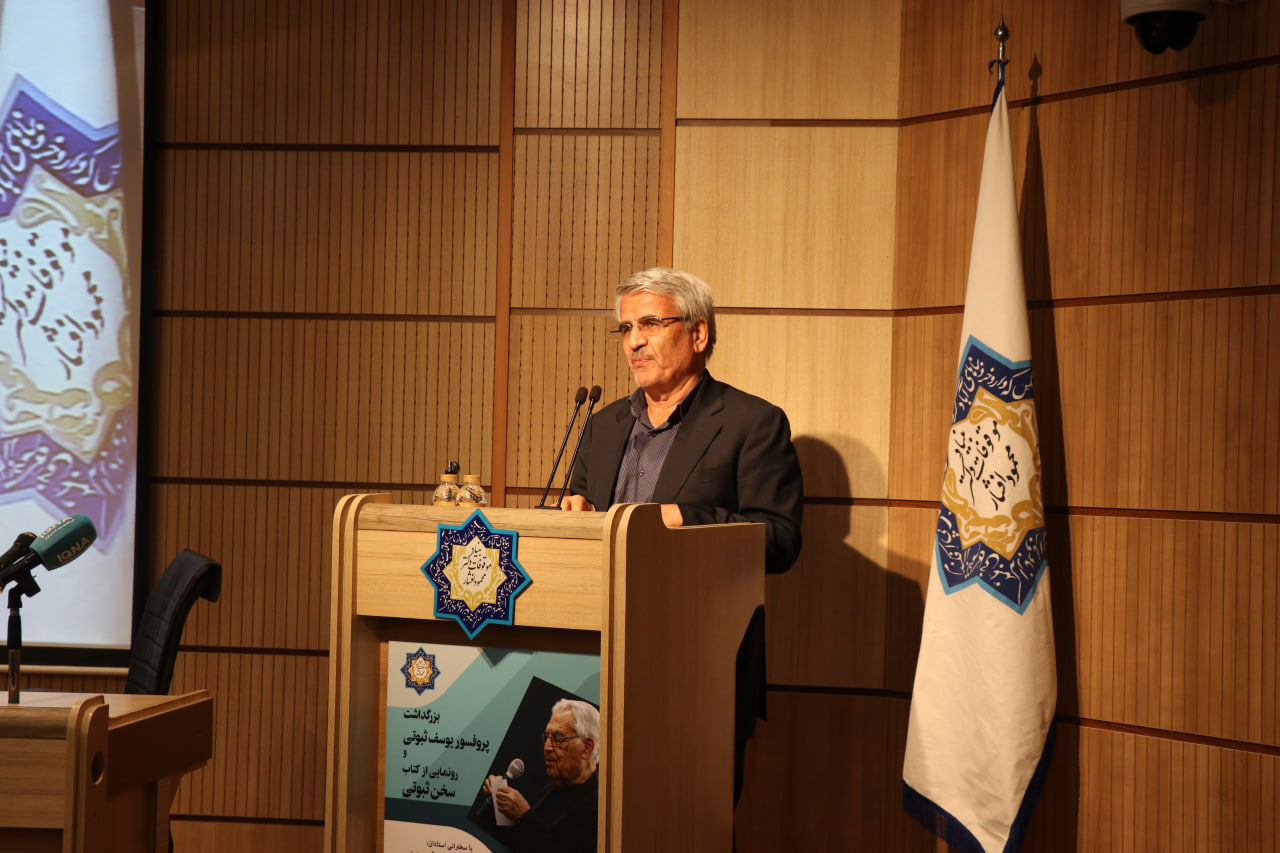
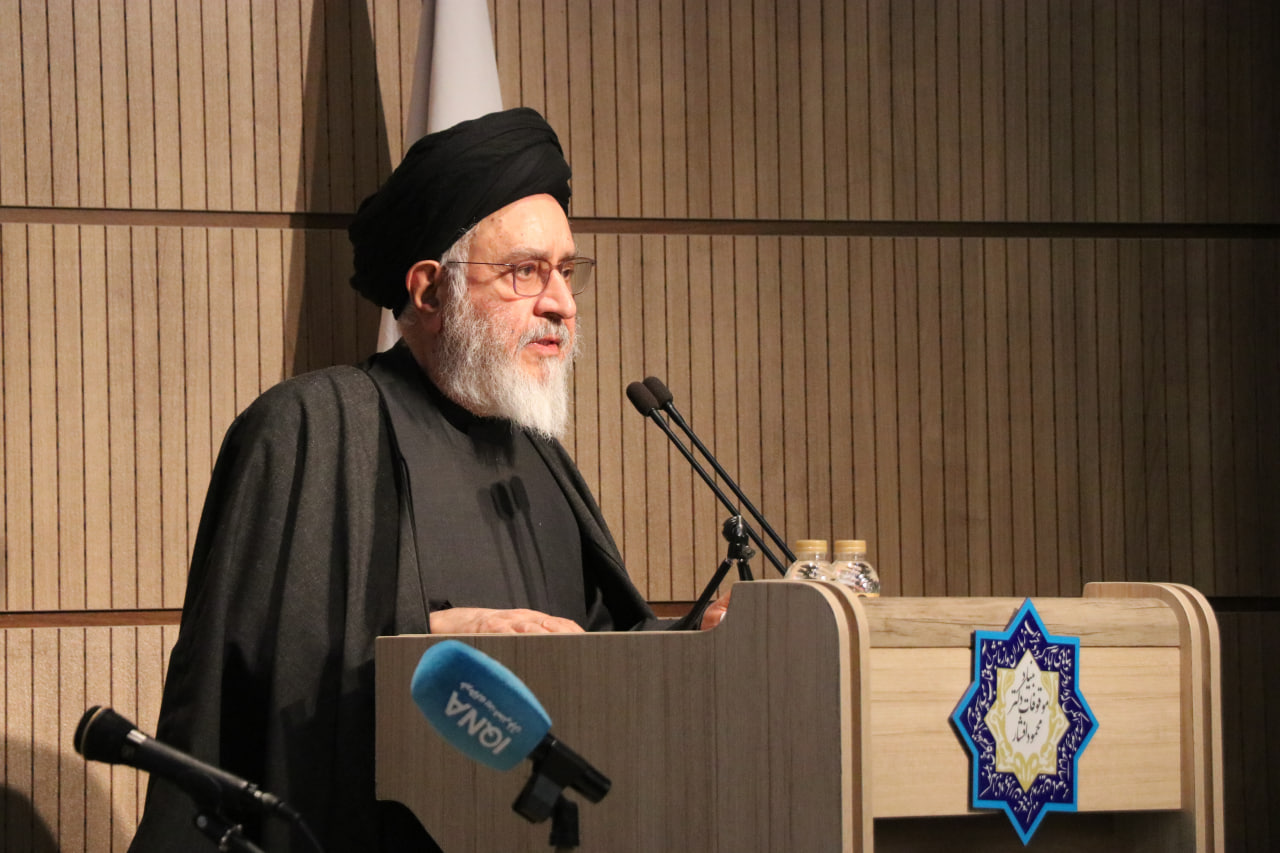
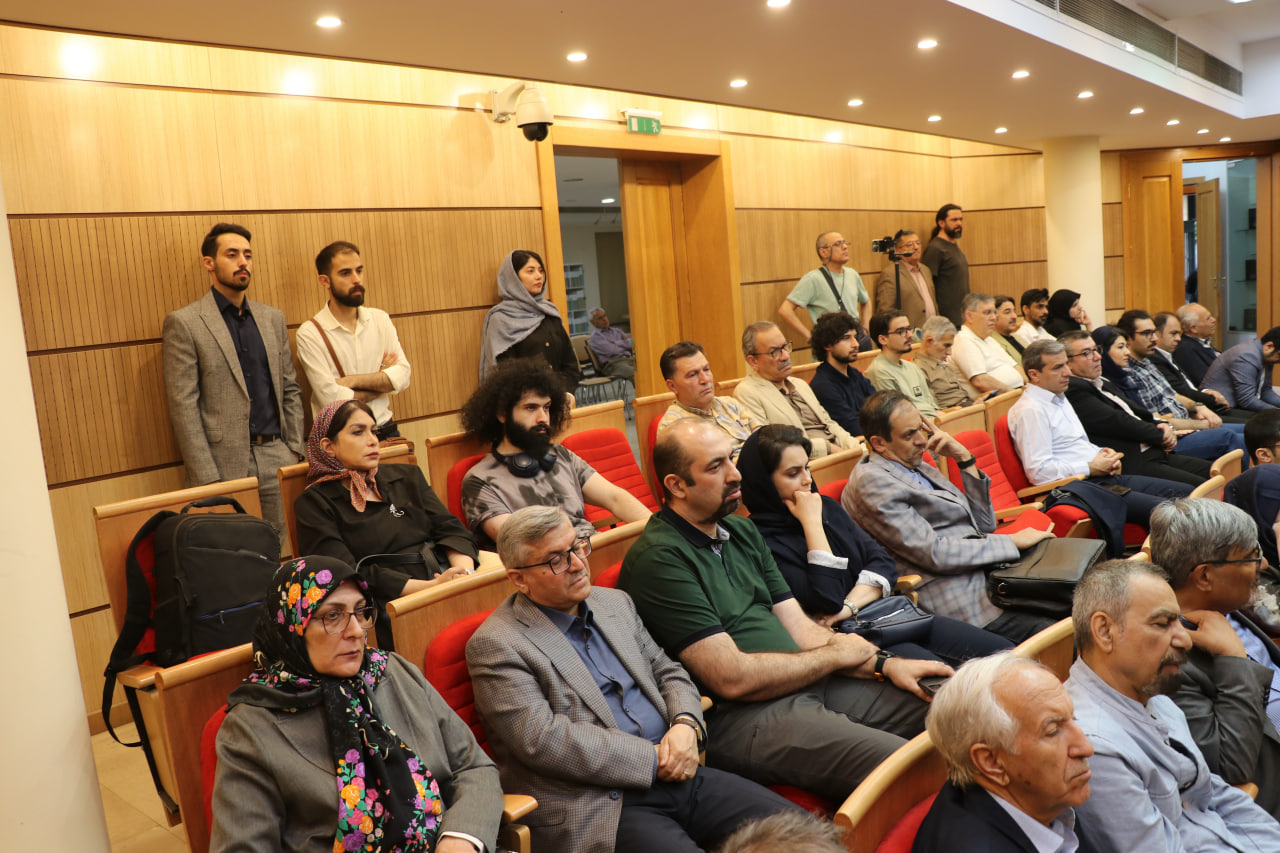
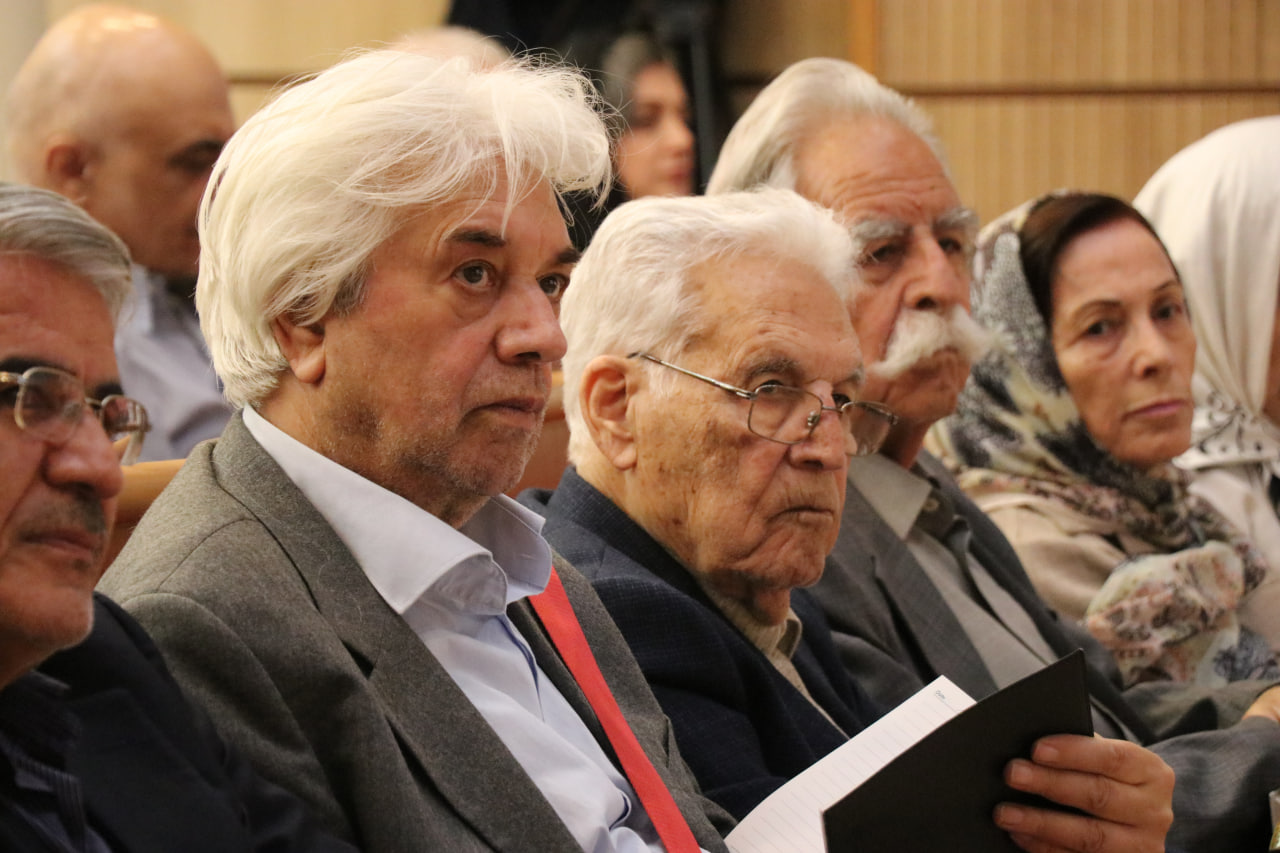
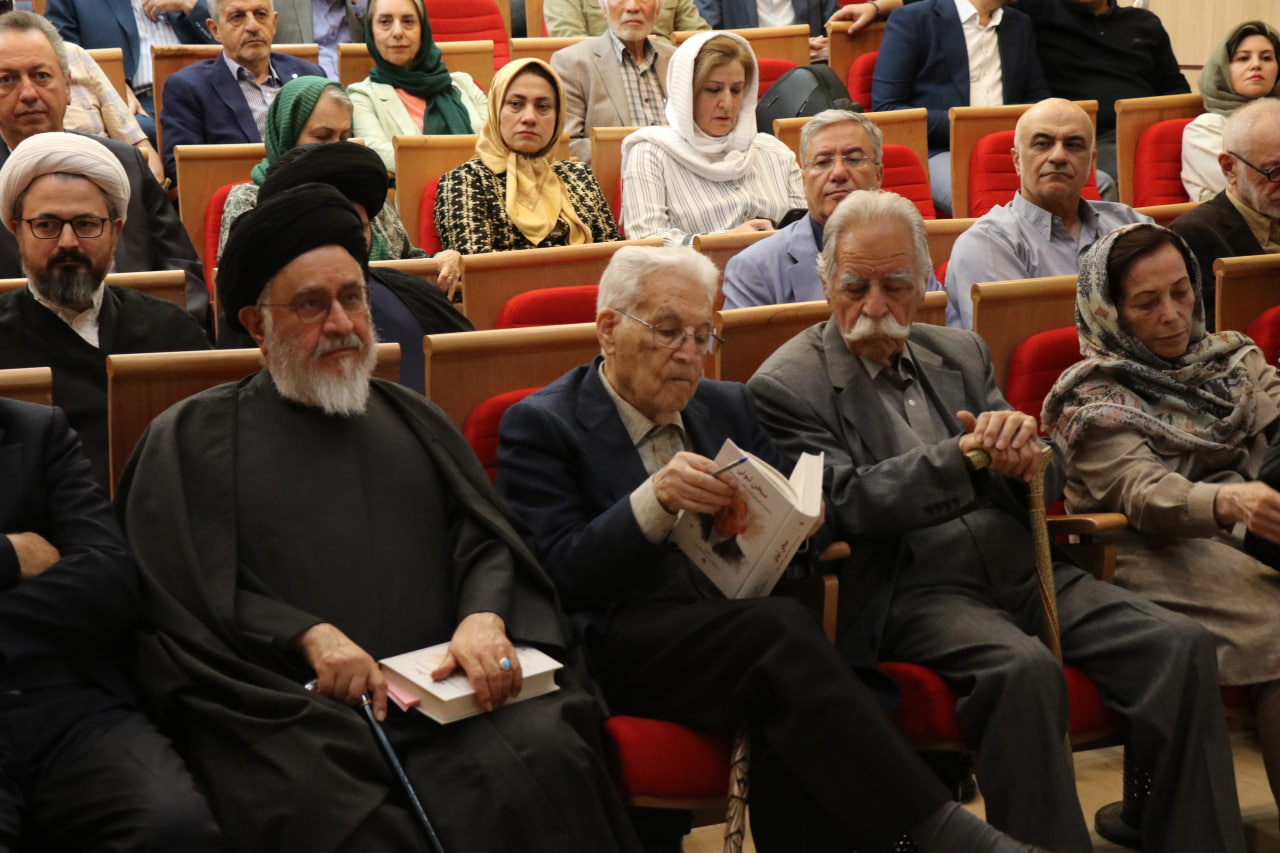
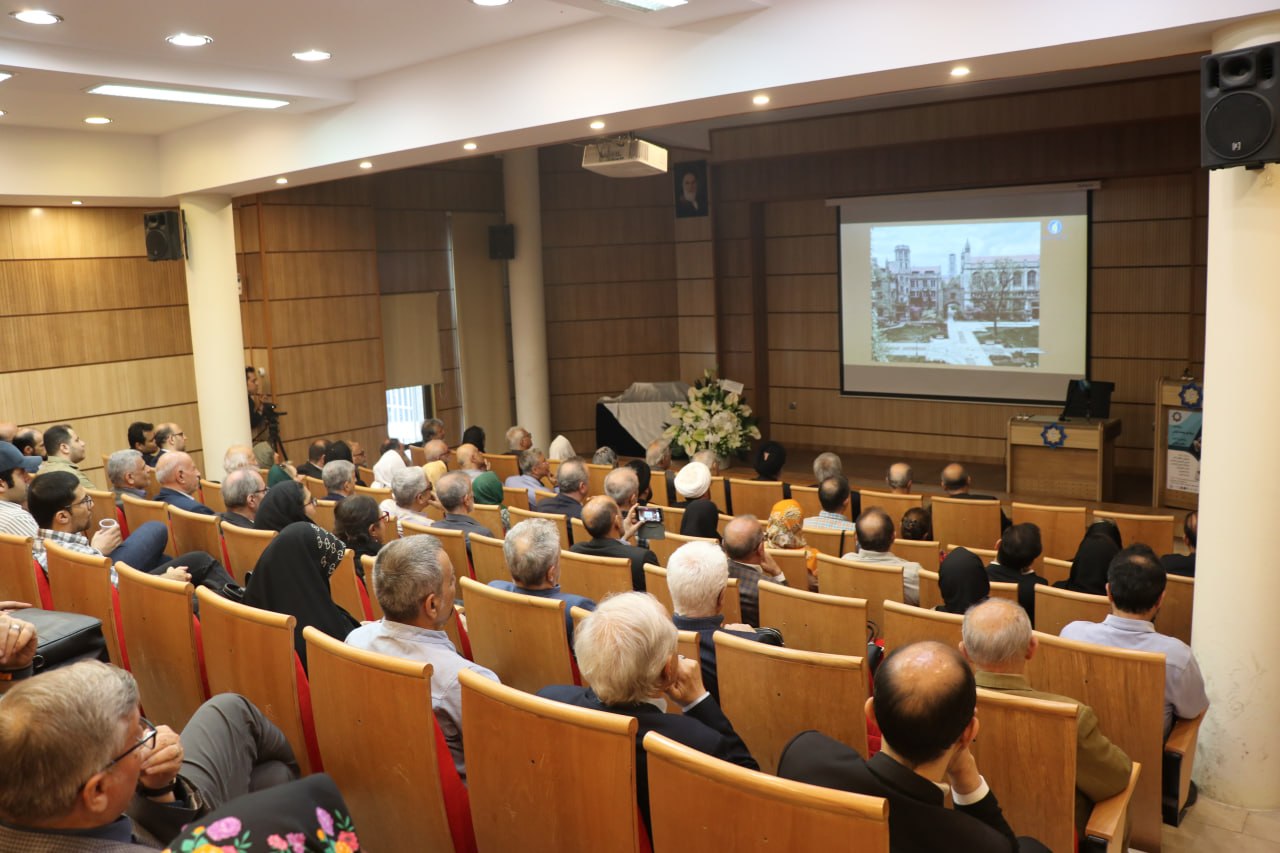
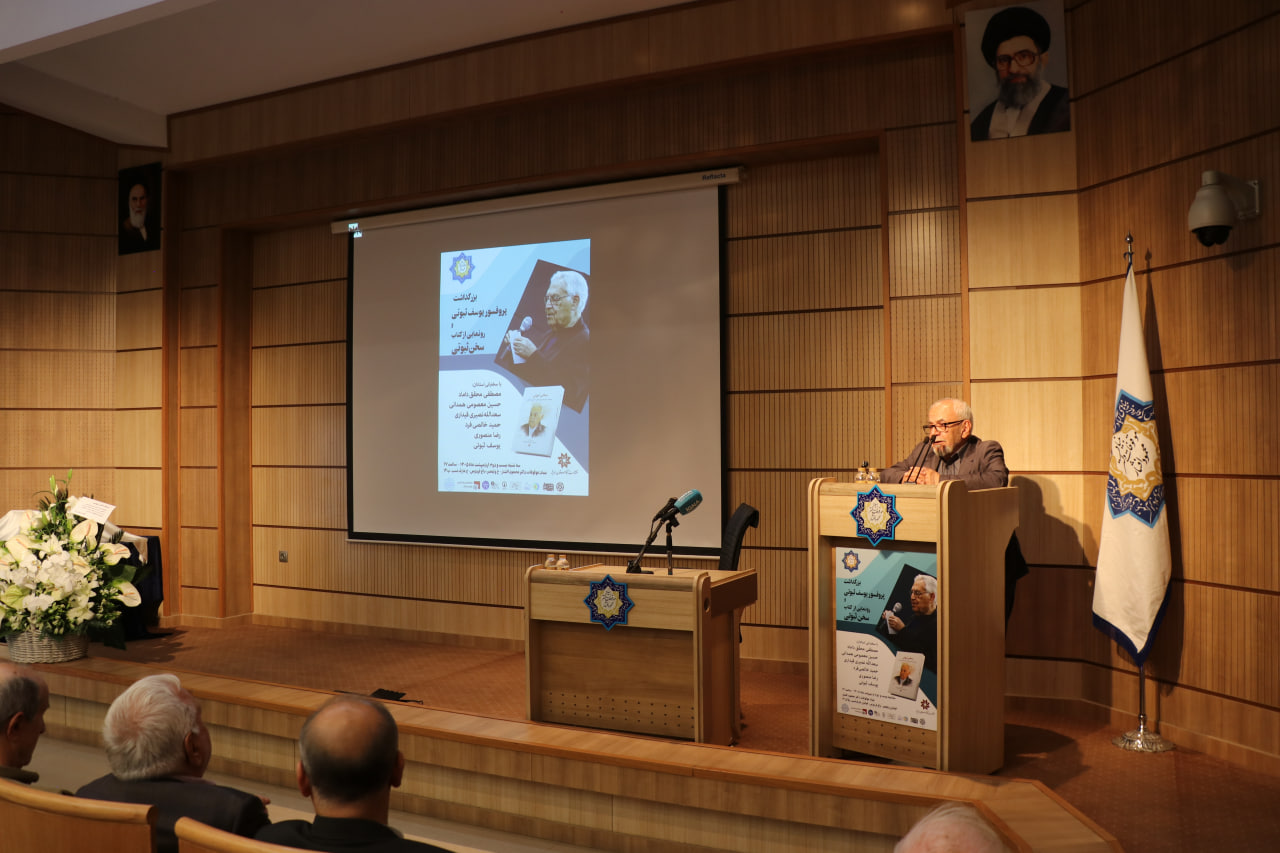
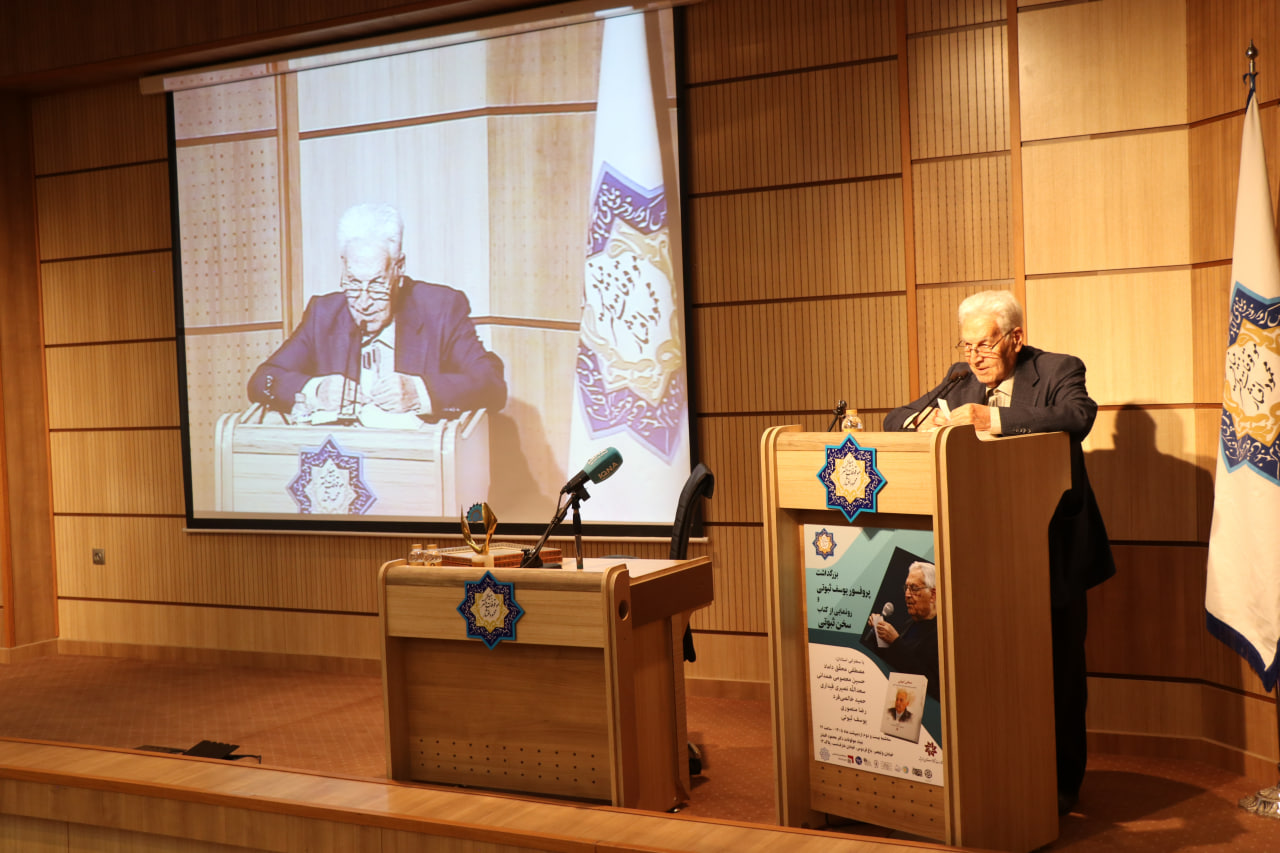
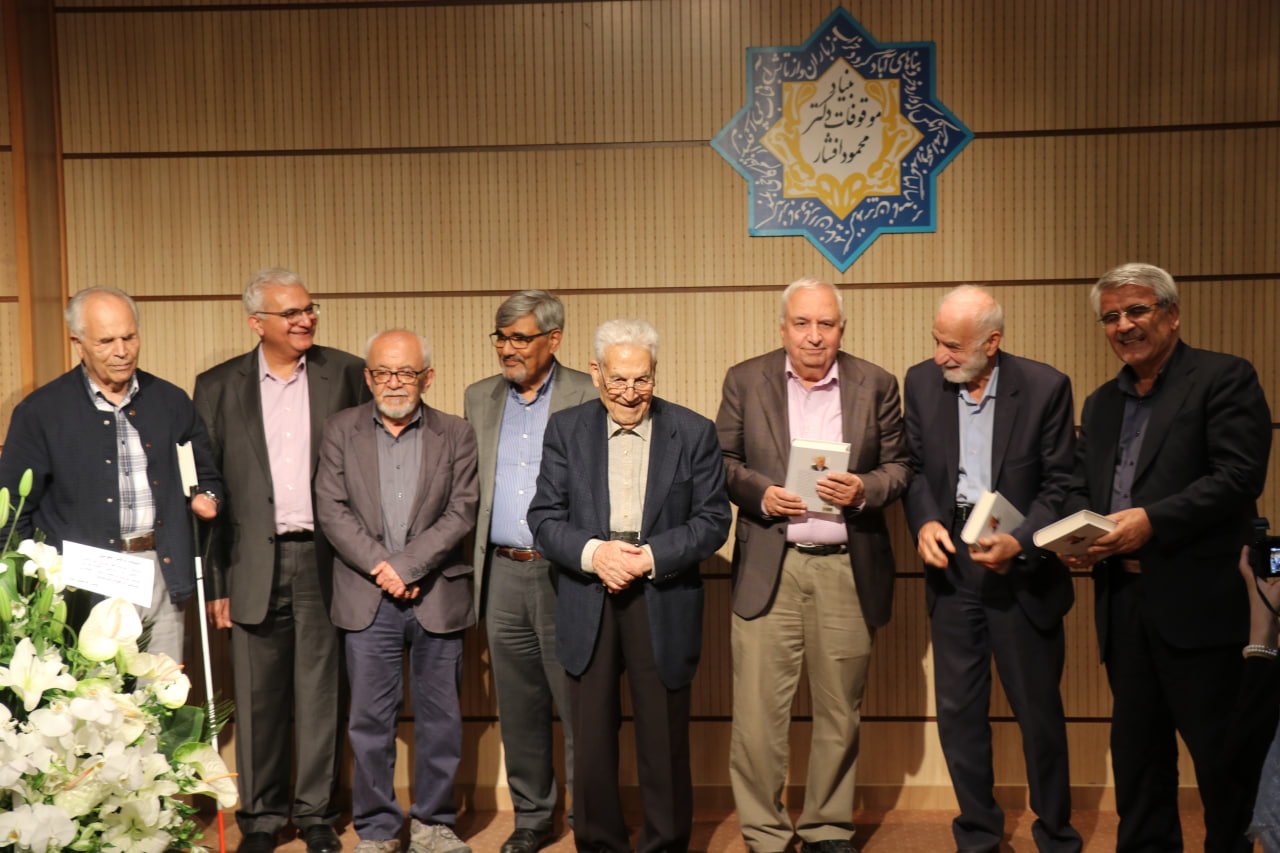
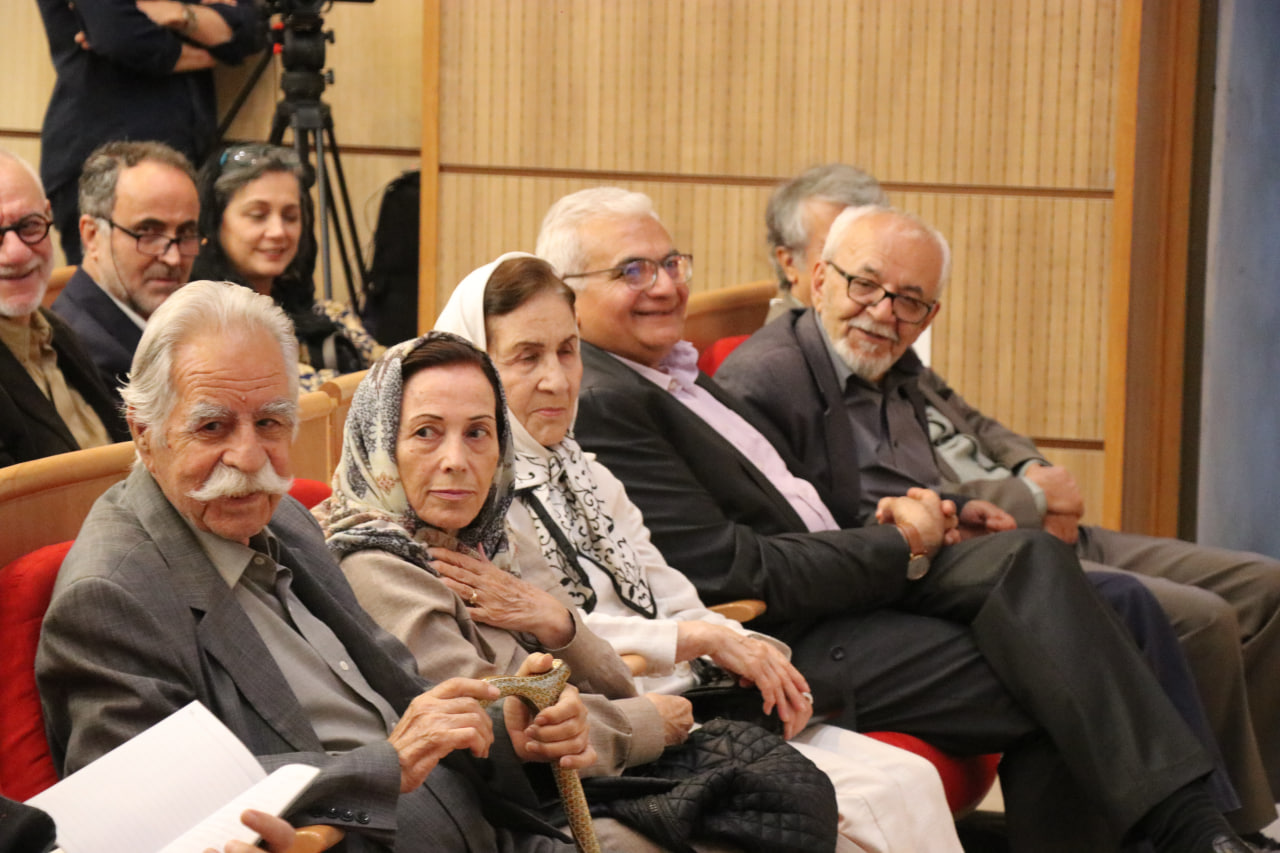
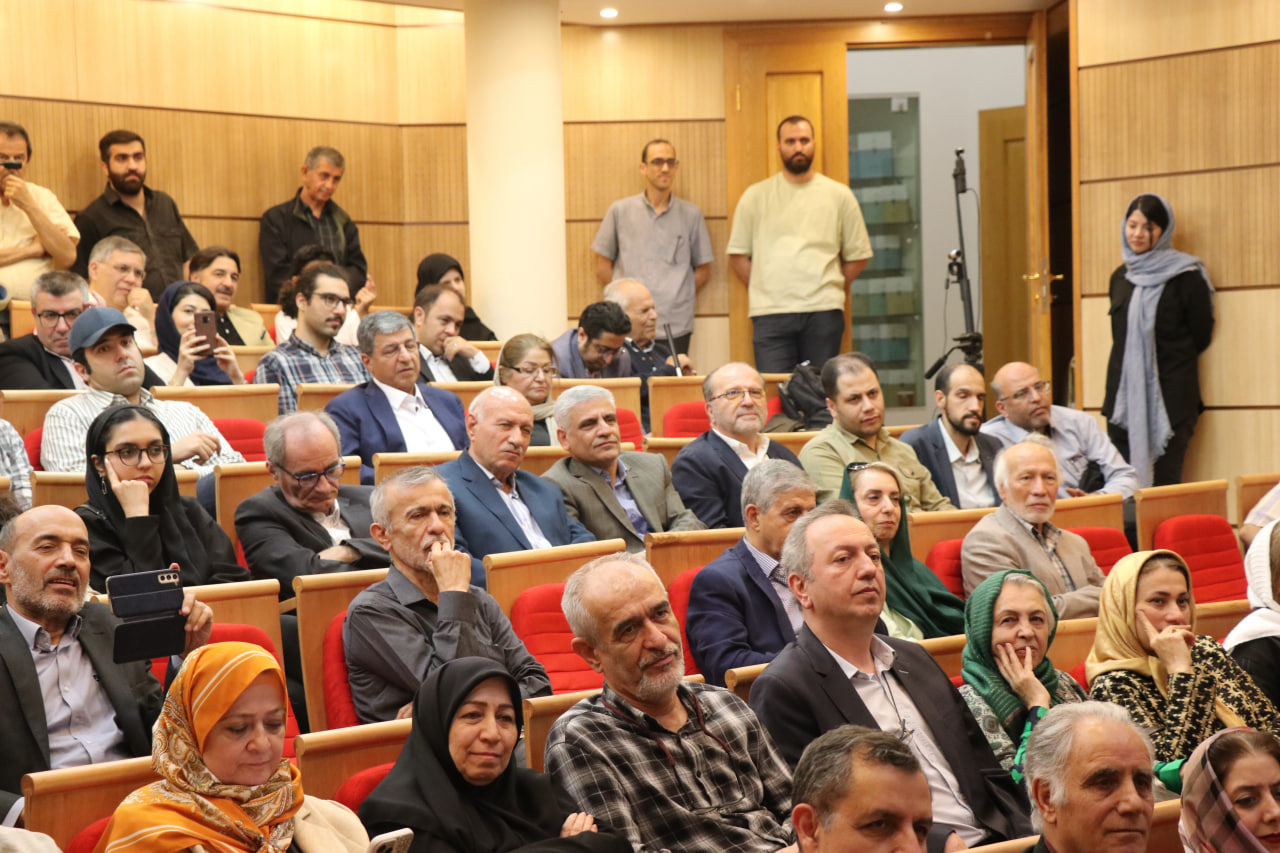
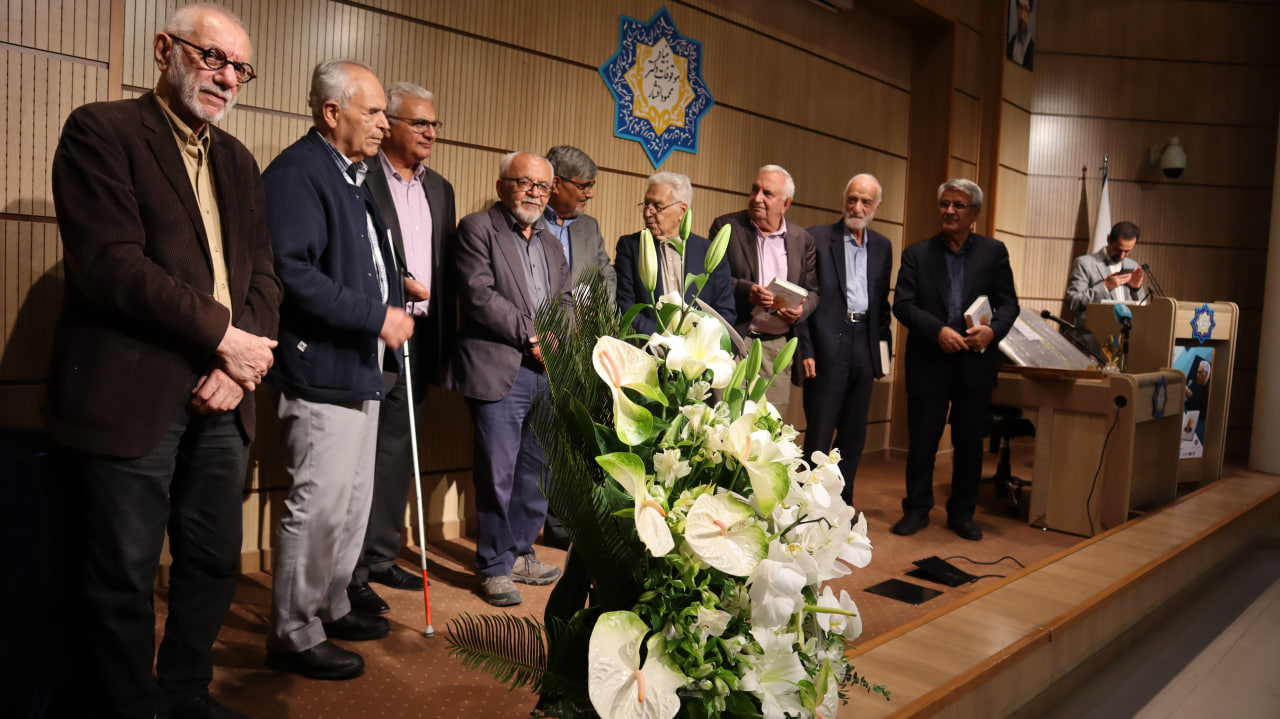
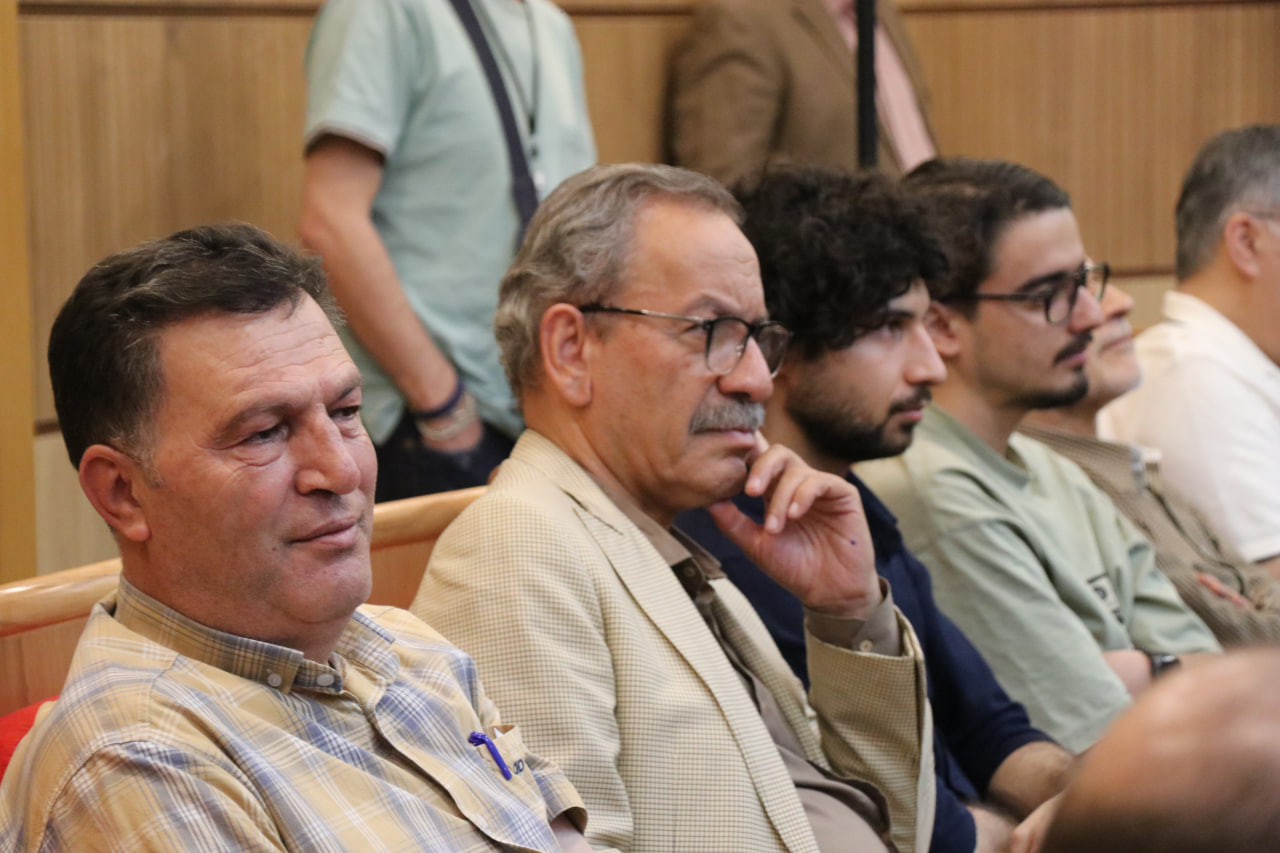
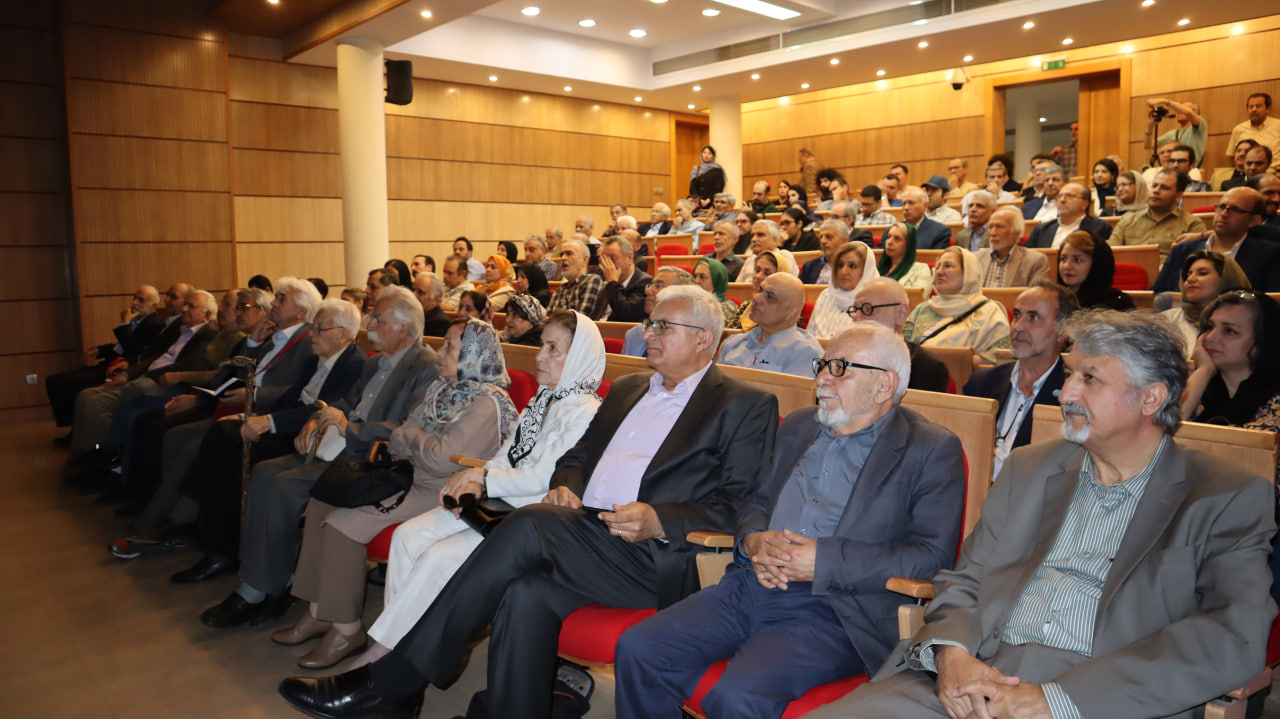
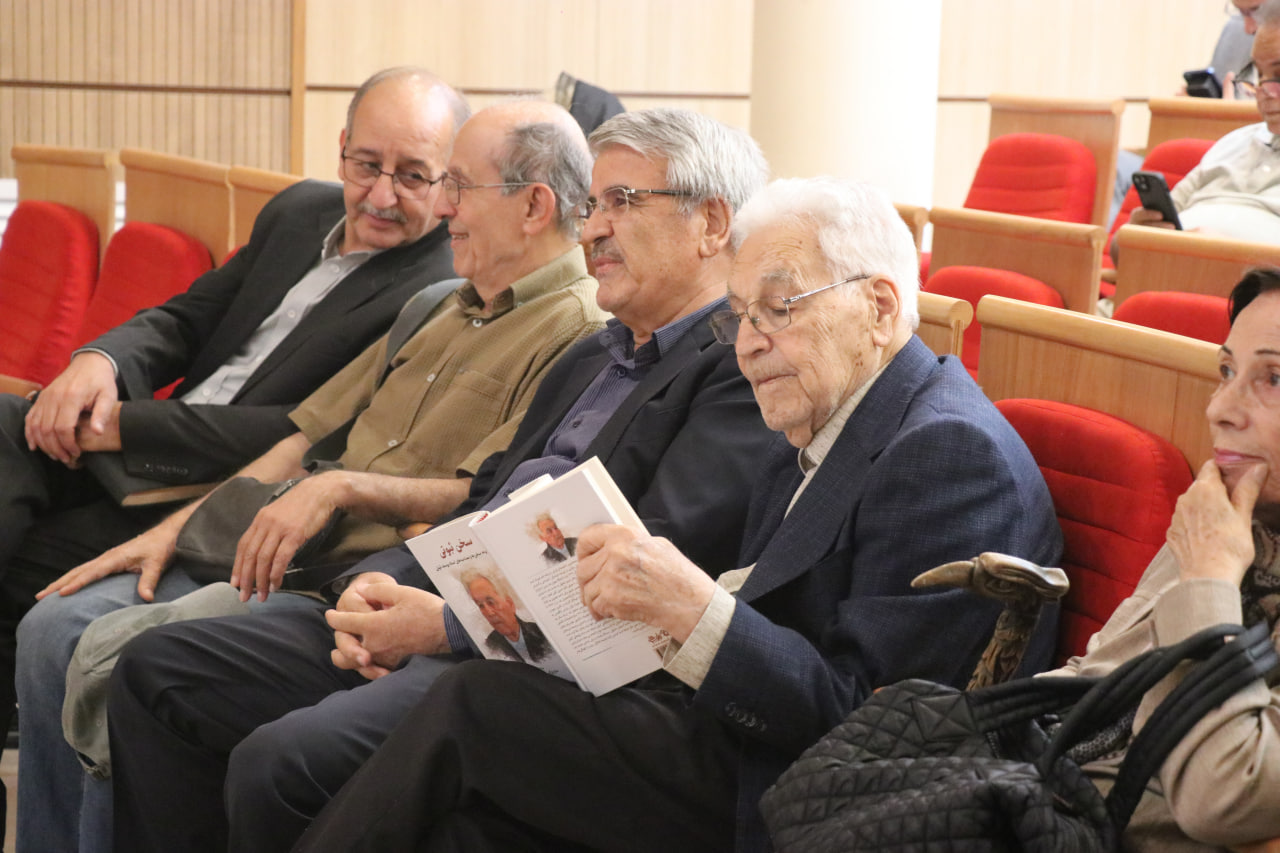
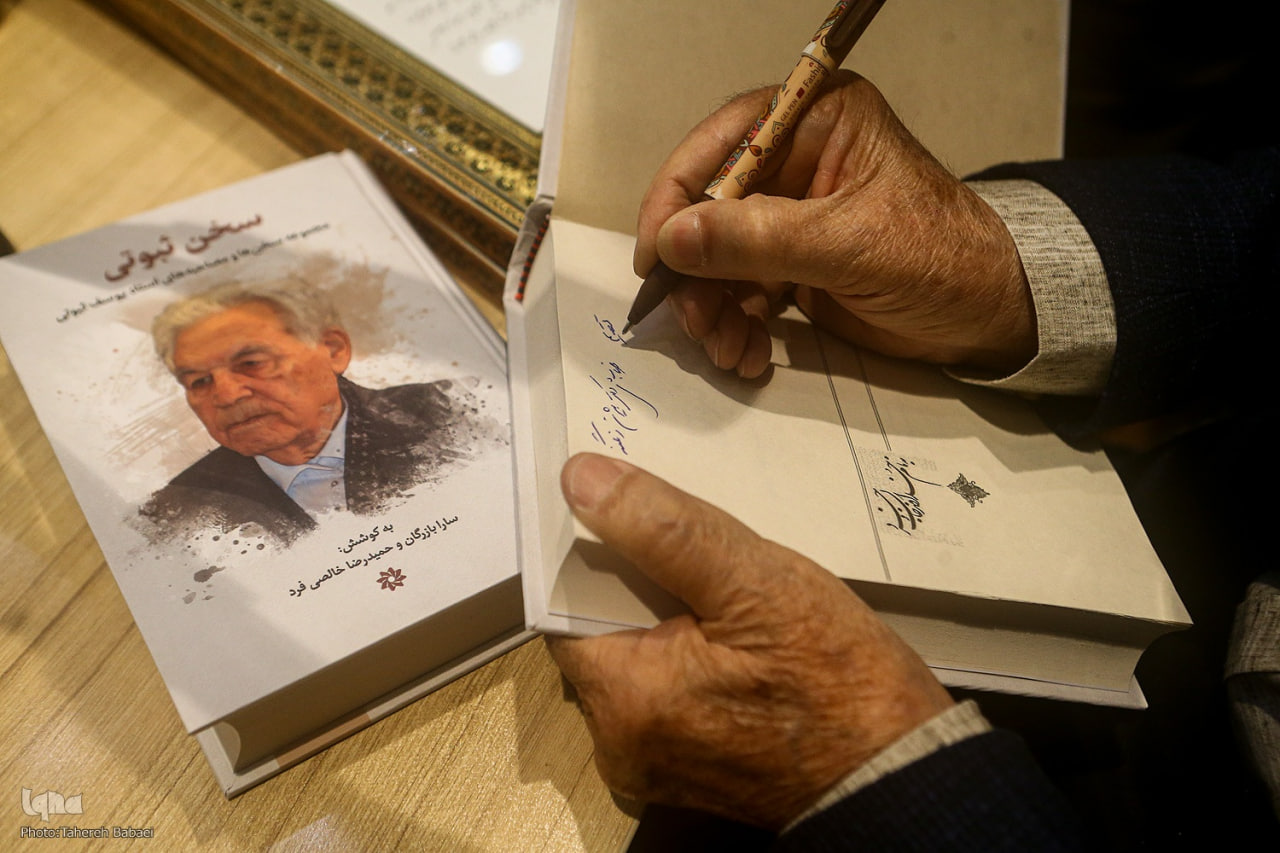
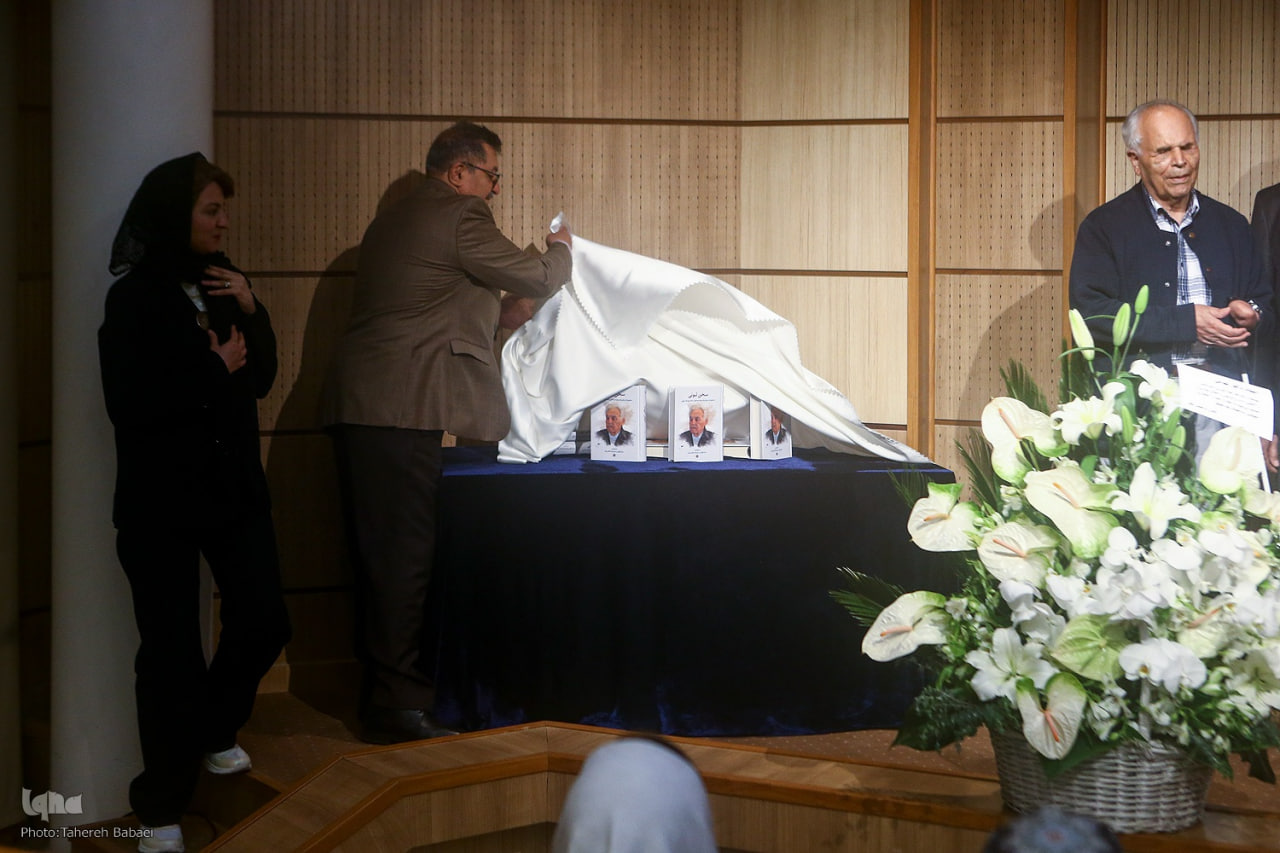
According to IQNA, a ceremony honouring the distinguished Iranian physicist Prof Yousef Sobouti, accompanied by the unveiling of the book Sokhan‑e Sobouti (Sobouti’s Word), has been held at Dr Mahmoud Afshar Endowments Foundation. The event took place on Tuesday, 12 May 2026.
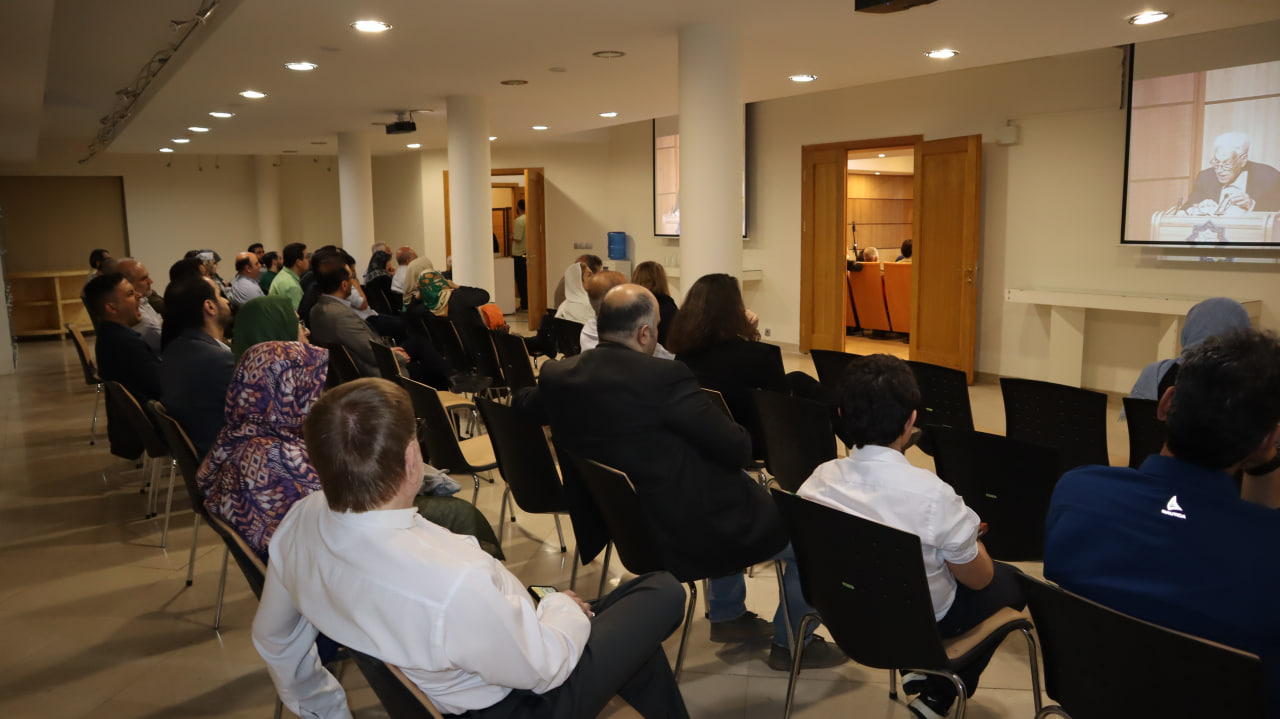
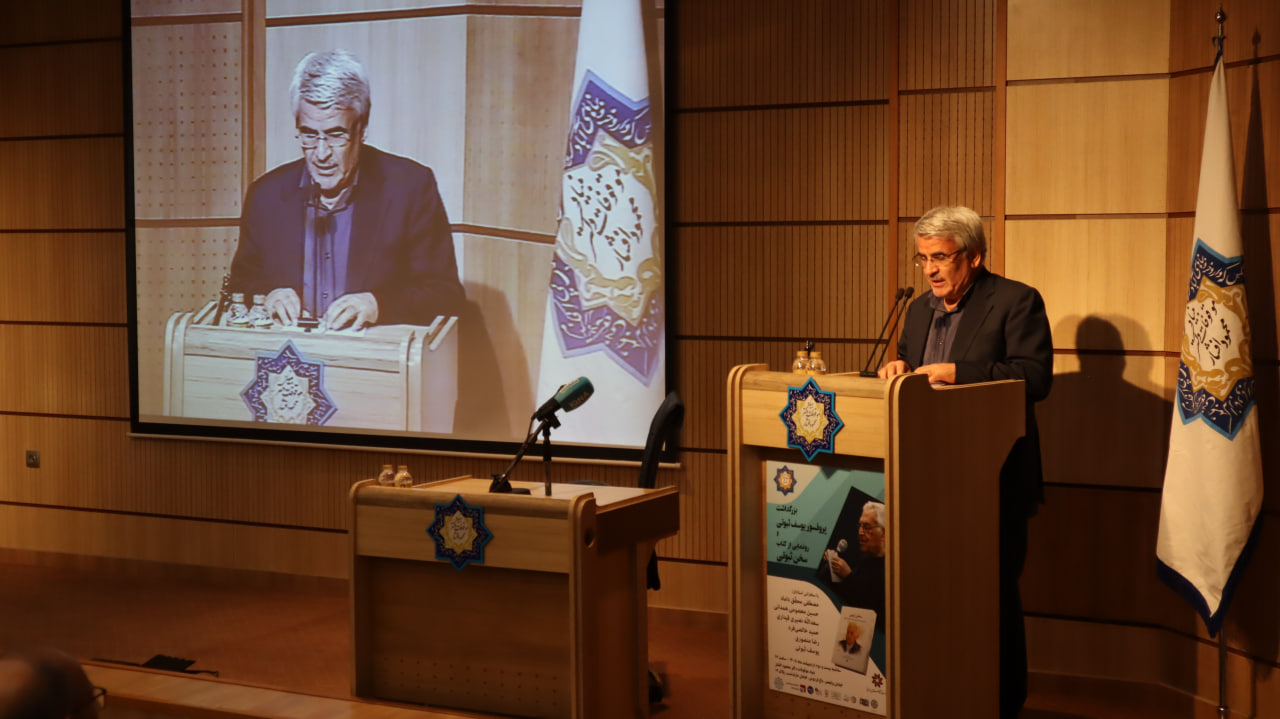
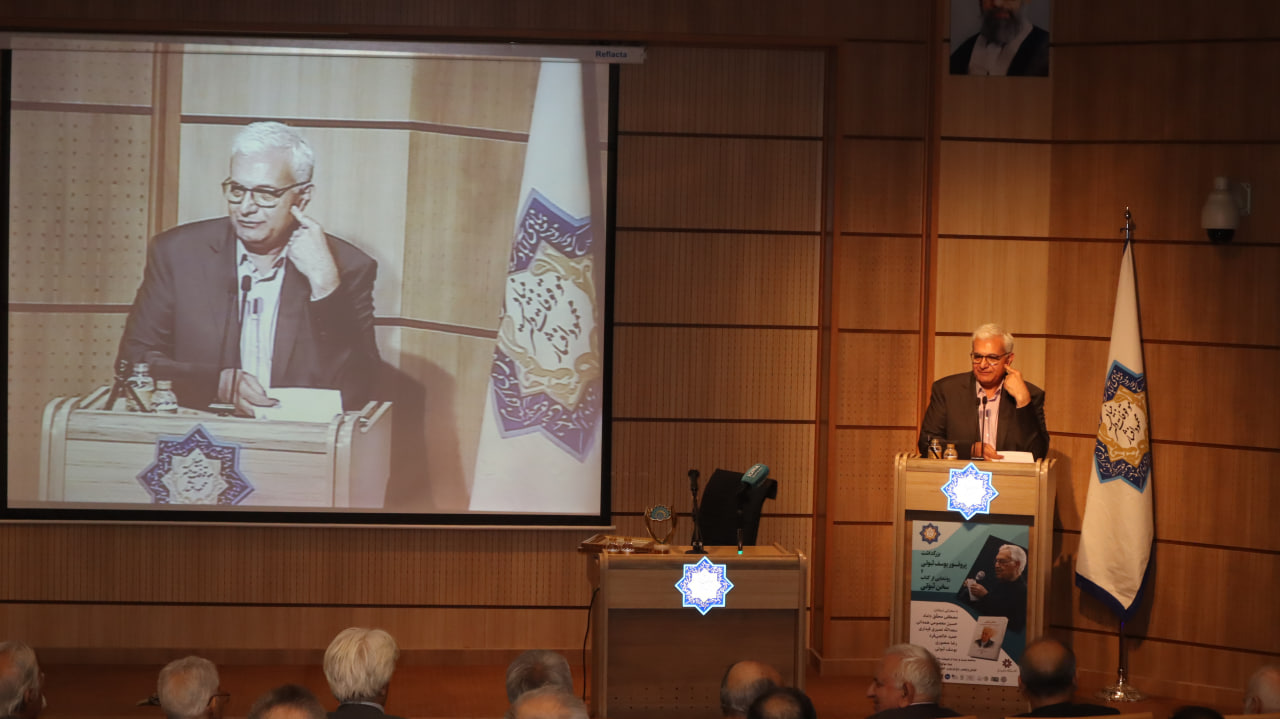
A number of academic and cultural figures addressed the gathering, including the Head of the Islamic Studies Department at the Academy of Sciences of Iran, Ayatollah Seyed Mostafa Mohaghegh Daamaad, member of the Academy of Persian Language and Literature, Hossein Masoumi Hamedani, former chancellor of Shahid Beheshti University and current IASBS President, Sadollah Nasiri Gheydari, university lecturer and author of the book, Hamid Khalesifard, physicist and retired lecturer at Sharif University of Technology, Reza Mansouri, and Prof Yousef Sobouti.
At the beginning of the ceremony, Ayatollah Seyyed Mostafa Mohaghegh Daamaad referred to his long-standing acquaintance and collaboration with the distinguished scientist and described him as among those scholars who engage in “inference in science” and theoretical reflection.
He began his remarks with a verse in praise of knowledge and learning, and then addressed those present, saying, “At this gathering, I would first like to welcome all of you. My acquaintance and cooperation with Prof Sobouti date back to the years 1994 and 1995, that is, the early days of the establishment of the Iranian Academy of Sciences. What attracted me to him, and what continues to remain attractive, were his knowledge, ethics, humility, and his deep interest in the country and the homeland.”
Referring to Molla Sadra of Shiraz, the founder of Transcendent Theosophy, he said, “I do not think there is anyone in this gathering who has not heard the name of Molla Sadra Shirazi. His most important work is the book Al-Asfar al-Arba’a, which has today been published in nine volumes. In the introduction to the sixth volume of this book, citing a hadith, Molla Sadra places two groups opposite one another, craftsmen and those who ‘derive the sciences’.”
Quoting the hadith, Mohaghegh Daamaad said, “In this narration it is stated that God revealed to the Prophet Adam that those who engage in inference and ijtihad in the sciences have a value greater than those who are merely occupied with the cultivation and development of the earth. It is also stated that whoever establishes a science and introduces a scientific innovation will have a value before God equal to that of the prophets.”
He continued, “I chose this hadith to say that in my life I have seen many scientists and craftsmen, but scholars who engage in inference in science, theorising, and deep reflection on knowledge are not very numerous. One of the individuals in whom I have seen such a quality is Yousef Sobouti.”
Referring to the years during which he and Sobouti have both been present at the Academy of Sciences, Mohaghegh Daamaad said, “Since 1994, I may have been in his company once or twice a week at various meetings of the Academy of Sciences, and I have always observed that he engages in theorising in science and has a deep and fundamental view of knowledge.”
He then referred to a section of the book Sokhan-e Sobouti and said, “On page 367 of this book, there is a conversation about remarks made by Stephen Hawking. In that interview, Dr Sobouti is asked about Hawking’s statement in one of his works that the Big Bang has removed God from the equations of creation and that there is no longer any need for the existence of God. Dr Sobouti’s response is that, fundamentally, this is not a scientific statement that can be agreed with or rejected from a scientific perspective.”
He added, “He goes on to say that in physics we still do not understand many things, and that our unknowns are far greater than our knowns, especially when we speak about the universe. Despite all the capabilities and technologies available today, our information about the entire universe is very limited. Even when we speak of the universe, it is not clear whether we mean the whole of existence or only the small part that is observable to us.”
Mohaghegh Daamaad continued, “He emphasises that as technology becomes more advanced, the unknown dimensions of the universe also expand, and a physicist should not make definitive judgements about such matters. This is what I refer to as a theoretical and inferential approach in science. I am not a physicist, but I understand that he is presenting a deep and theoretical perspective on science.”
In another part of his remarks, he referred to Prof Sobouti’s national commitment and interest, saying, “It may be asked why the Dr Mahmoud Afshar Endowment Foundation, which is an institution related to Iran, the Persian language, and Persian literature, has participated in honouring a physicist. The answer is clear, because he loves Iran and is not a person detached from his homeland.”
Mohaghegh Daamaad added, “In our time there are scientists who are indifferent to their homeland, but Dr Sobouti was not like that. When he graduated in the United States, according to the testimony of many experts, very great scientific opportunities were available to him to remain in that country and pursue his work. However, he preferred to return to Iran and establish an important scientific foundation in the city of Zanjan, an action that became one of the country’s notable achievements in the field of basic sciences.”
He then read sections from Prof Sobouti’s writings addressed to Iranian adolescents, “Addressing the youth, he says, ‘My son, do you know that we are descended from Biruni, Avicenna, Zakariya Razi, and Sohravardi? Do you know that we are the heirs of Khwarazmi and Farabi? Do not remain heedless. Now is the time for excellence and pride. The sciences and technologies of recent centuries have created great wonders, and you too can play a role in this field.’”
Mohaghegh Daamaad continued, “At the same time, Prof Sobouti emphasises that the traditions and heritage of our ancestors are valuable treasures and should be a source of pride. However, just as one cannot place the several‑thousand‑year‑old jars of Shahr‑e Sukhteh (the burnt city) or the pottery of Tepe Sialk on today’s dining table, one cannot shine in today’s world with ancient ideas and methods. For this reason, he emphasises learning new sciences and technologies, as well as innovation.”
He continued, “His main message is that the children of Iran should know the culture in which they have grown and the civilisation whose heritage they inherit, but at the same time they must move beyond the past in order to build the future.”
In the final part of his remarks, he referred to Prof Sobouti’s message to the younger generation and said, “He has always emphasised that Iranian youth must know that they are the heirs of the great legacy of scholars such as Biruni, Avicenna, Farabi, and Sohravardi. While taking pride in this heritage, they must also learn the modern sciences and technologies of the world and take part in the realm of science through innovation.”
Hussein Masoumi Hamedani then took the podium and said, “Paying tribute to a figure such as Prof Sobouti is the duty of every Iranian and every person interested in science, even if their field of specialisation is not his area of work or they have not had the good fortune to collaborate with him.”
Referring to the features of the book Sokhan-e Sobouti, Masoumi Hamedani added, “In my view, this book is unparalleled of its kind, because rather than merely seeking Prof Sobouti’s specialised knowledge within it, we encounter the experience of a life and the fruits of those experiences, expressed in a very clear language.”
He continued, “One of the problems of our society is that we usually complicate every issue, especially in academic settings and in the humanities, to such an extent that we ultimately conclude the matter is essentially unsolvable. The art of Yousef Sobouti is that he expresses matters which could have been the subject of complex philosophical or sociological reflections in the clearest possible manner, in such a way that every reader understands his meaning.”
He described this characteristic as common to all of Sobouti’s writings and speeches, saying, “This quality can be seen in almost all his writings, messages, interviews, and lectures, whether in messages delivered on various occasions, in interviews he has given, or in speeches delivered in the presence of the country’s senior officials.”
Masoumi Hamedani added, “We academics usually lose our composure when we find ourselves in the presence of official authorities and begin to express generalities so as not to cause concern or discomfort to officials. However, he preserves the same frankness and sincerity in conversation with officials that he shows in messages to adolescents and school pupils, and he has no hesitation in raising the country’s fundamental problems, especially in the field of higher education, in the most explicit terms.”
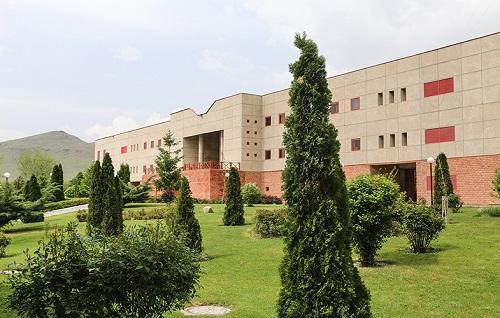
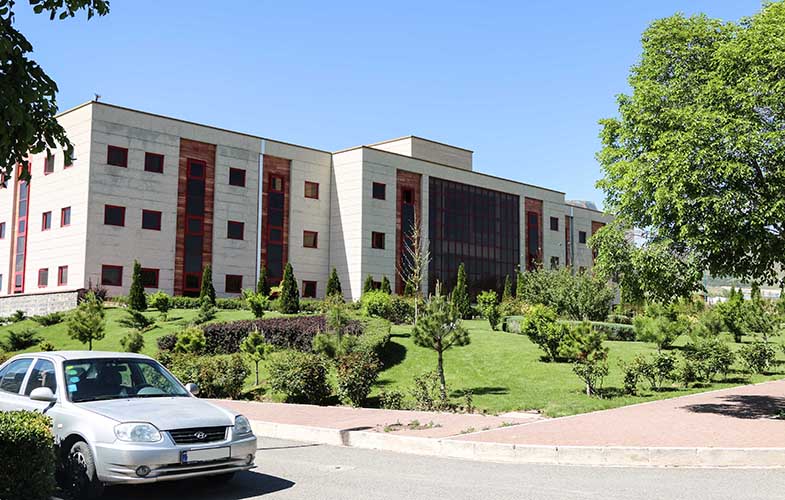
Referring to Sobouti’s hopeful outlook on the country’s issues, he said, “At the same time, he seeks to show that these problems are not our inevitable destiny and are solvable. The postgraduate centre in Zanjan (the IASBS), which he founded, is an example of the solutions he envisaged for the problems of higher education in Iran.”
Masoumi Hamedani, referring to his own experience at the IASBS, said, “I have participated there several times in seminars and taught for one or two semesters. This university is an example of how he implemented his ideal university in practice, a university which, in his view, must be efficient.”
He continued, “From the time the Zanjan Postgraduate Centre was established, I had more frequent contact there through my friendship with Dr Khajehpour. This university began with the most limited facilities, a few rooms, a courtyard, several classrooms, and accommodation for professors, but most importantly, a group of distinguished professors whom Dr Sobouti had invited from among his students and colleagues abroad.”
He compared the founding of this centre with the early experience of Sharif University of Technology and said, “This reminds me of the establishment of Sharif University of Technology, when the late Dr Mojtahedi, instead of focusing on formalities and complex structures, first concentrated on recruiting capable scientific staff. Sharif University also began with teaching and the presence of professors, not with an abundance of administrative planning. Prof Sobouti likewise began the Zanjan Postgraduate Centre (IASBS) in the same way.”
Masoumi Hamedani added, “He believed that the administrative section should not dominate the scientific section and that the administrative structure of the university should not become excessively large. This point has been raised in many of his writings as one of the main problems of higher education in Iran, and at the IASBS, the administrative section has been kept very limited.”
He then referred to the spiritual impact of the book Sokhan-e Sobouti, saying, “This book is among those whose reading creates a kind of purification of the soul. Aristotle said that watching tragedy purifies the soul. Some writings possess such a quality.”
He continued, “Today we are faced with a multitude of analyses and writings that lack clear reference and concrete examples, especially in the virtual space. However, in this book we encounter another way of speaking, based on frankness, expressing issues in their most unvarnished form.”
Referring to Sobouti’s intellectual and political independence, he said, “There is no suspicion whatsoever that Dr Sobouti is affiliated with any particular political faction, and this is what makes his words influential. Even if the officials who were the primary audience of these remarks did not act upon them, they at least heard them.”
Masoumi Hamedani went on to speak of Sobouti’s optimistic spirit and added, “There is a kind of optimism in his character which is rooted in his view of society, namely that most people are good and that society progresses on the basis of this healthy majority.”
He also referred to Sobouti’s deep attachment to his birthplace and homeland, saying, “I do not think the establishment of the IASBS was merely coincidental. One who truly loves his homeland begins from the nearest point to himself, from his home, his neighbourhood, and his city.”
He added, “One cannot from the outset love an abstract concept called Iran, yet in practice reduce everything to Tehran. Prof Sobouti, while a professor at Shiraz University and able to remain there, chose Zanjan because he believed one must begin from the place closest to oneself.”
Sadollah Nasiri Gheydari then took the podium and said, “For about 50 years I have had the honour of being a student of Prof Sobouti, and I have always been proud of this and will continue to be so. It has often been said that Prof Sobouti has numerous articles and books, medals, decorations, and national and international awards. He established doctoral and master’s programmes in Shiraz, founded the Biruni Observatory, was among the founders of the Iranian Astronomical Society, played an effective role in the formation and construction of the National Observatory of Iran, played a serious part in revitalising the Iranian Physical Society, contributed to the Regional Library of Shiraz, founded the Climate Research Institute, and established and led the Institute for Advanced Studies in Basic Sciences (IASBS) in Zanjan.”
He added, “That he is a lasting figure, that he has a delightful style of teaching, that his art of teaching is most beautiful, that he simplifies complex material, that he was the first to teach quantum mechanics and relativity in Iran, and dozens of other points have all been stated many times by students, colleagues, and myself. However, in these few minutes I would like to speak about Sobouti’s ethics, although this is a very difficult task.”
Nasiri Gheydari continued, “That a professor can create in the hearts of his students an affection such that they always take pride in having been his student is no small matter. Dr Haddad Adel said at the ‘Watching the Sun’ session at UNESCO that he always feels like a simple student beside him. Truly, all of the professor’s students feel the same.”
Referring to the Ethics in Science and Technology Award, he explained, “When the Association for Ethics in Science and Technology decided, in memory of Prof Mohammad Gharib, to define an award in several scientific fields for ethically distinguished professors, a committee was formed in the field of basic sciences. Letters were sent to all universities and scientific associations to introduce the best professors in terms of teaching ethics, educational ethics, and research ethics. Numerous sessions were held, distinguished figures took part in the evaluation, and in the end Prof Sobouti received the highest score as the best ethics professor in the field of basic sciences.”
Referring to the book Sokhan-e Sobouti, Nasiri Gheydari said, “It is a very engaging book. Over these 49 or 50 years, I have either been aware of the professor’s writings or have listened to his speeches. Sometimes he himself did not even wish these materials to be widely seen, but today Dr Khalesifard, Mrs Bazargan, and others have worked hard and prepared this valuable collection.”
He described patriotism as another of Prof Sobouti’s prominent qualities and said, “Prof Sobouti rose from Zanjan, went to Tehran, studied and worked in the United States and Europe, and then returned to the country. In Shiraz he established doctoral and master’s programmes, and ultimately he returned to Zanjan and founded a qualitative and enduring university of basic sciences. This action is important not only for the students who study there, but more importantly, Prof Sobouti has secured a place in the hearts of the people of Zanjan. The people of Zanjan truly love him, and over the years we have witnessed many scenes demonstrating this affection and appreciation.”
Referring to Prof Sobouti’s scientific spirit and constant effort, he added, “During the Nowruz holidays this year, from 21 to 25 March, when everyone was on leave, Prof Sobouti was present in his office at the university. His respected wife sat beside him reading a book, and the professor was working on his latest article. At the age of 94, he is still engaged in scientific activity with such energy. Any tired person or unmotivated student who sees this scene says to himself that he too must work. When someone at this age is so energetic and hardworking, he becomes a model for all of us.”
Nasiri Gheydari then read part of one of Prof Sobouti’s interviews, “What I say is that we should not underestimate ourselves, constantly criticise ourselves, think the neighbour’s chicken is a goose, or dishearten our young people. Young people can flourish and act. They have demonstrated this in football, filmmaking, wrestling, the university, and industry. All these signs are hopeful and should be regarded as good omens.”
He continued, “In the same interview, Prof Sobouti says, ‘It may be said that we are still far behind the world and that our achievements have not been remarkable, but I have never agreed with this view and will not do so. Time is needed for a group, however small, to emerge among us who understand the secrets of the university and modern technology and who have a share, however small, in the expansion of global knowledge.’”
He added that the professor believes shaking off the dust of stagnation from a society that has been in torpor and inertia for centuries is not an easy task, and that indifference to the small efforts of others is a discouraging attitude.
Nasiri Gheydari continued, “He says, ‘I consider infighting destructive. I do not wish to prescribe for society, but within the physics community I would like us to see each other’s small achievements and say bravo to one another. We should have a space for collective thinking and not place obstacles in each other’s path. This country is vast and its needs so diverse that there is room for every idea and innovation.’”
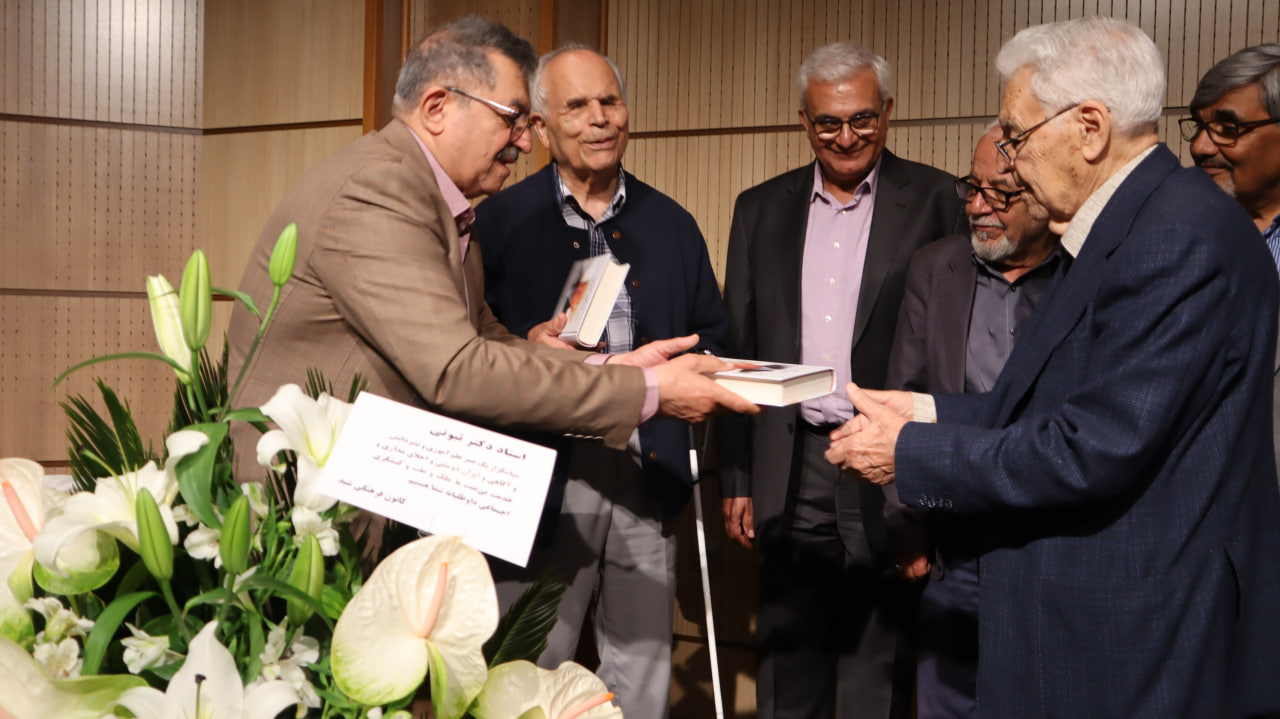
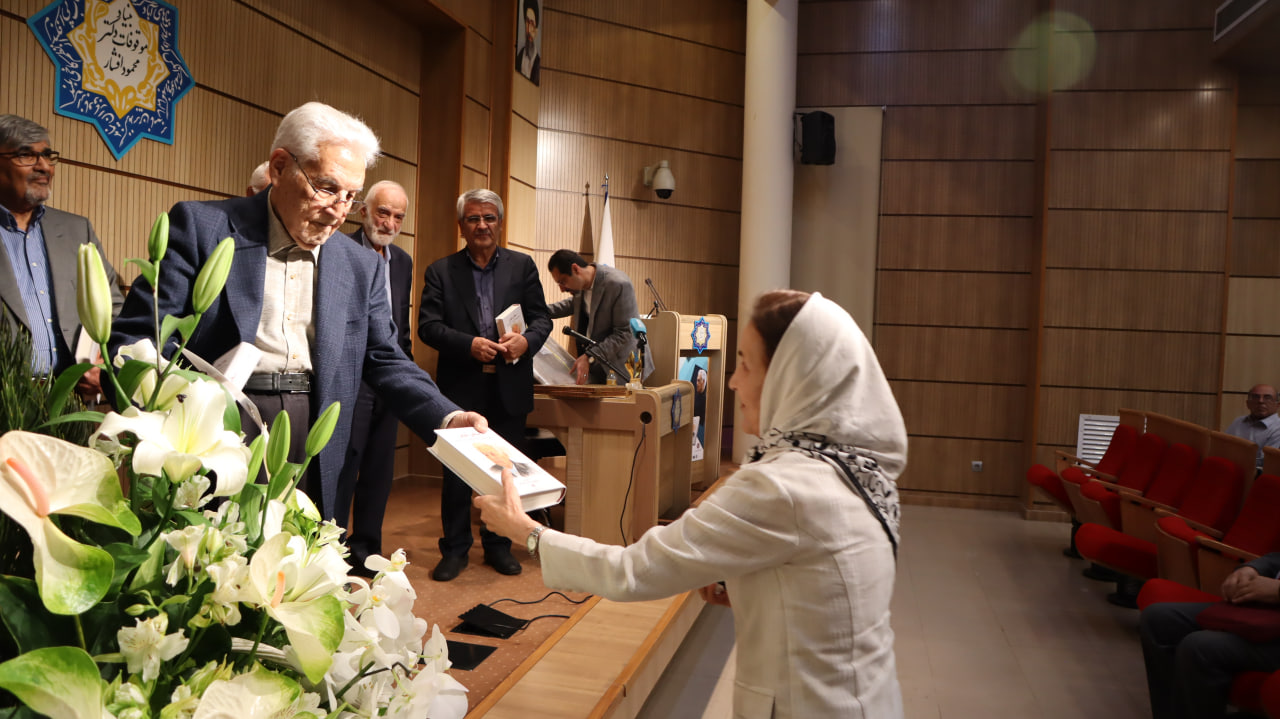
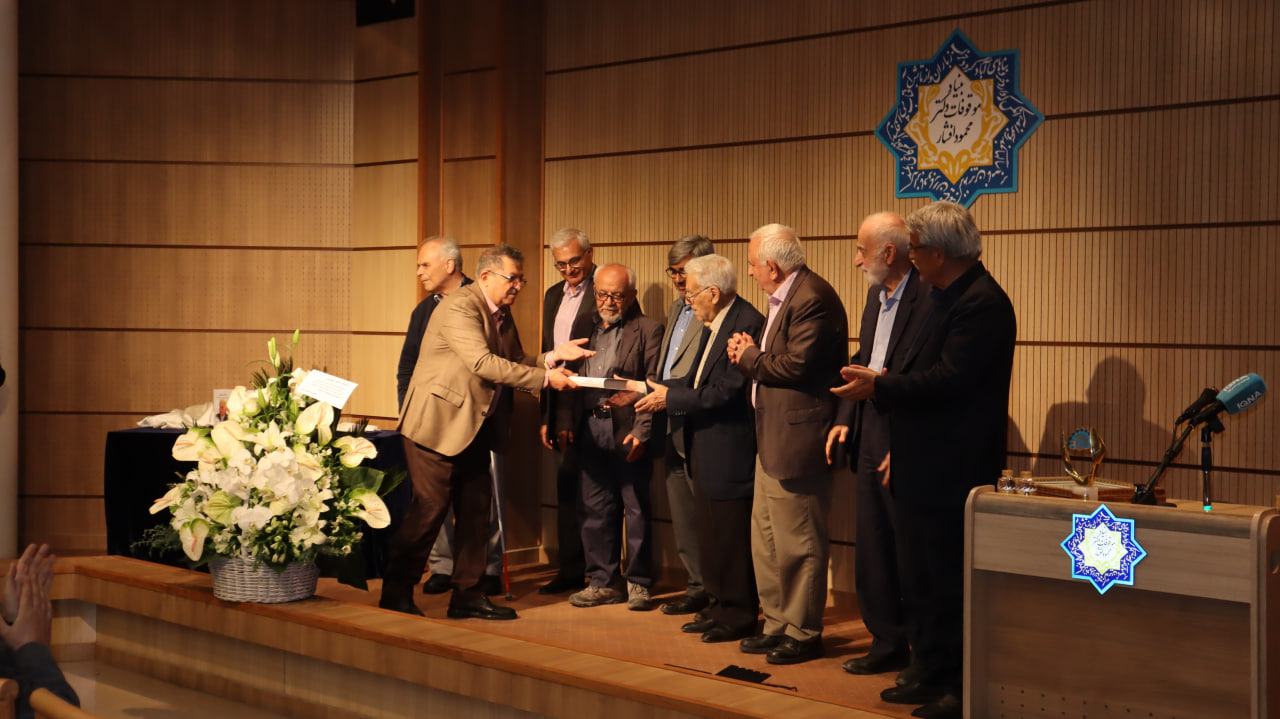
During the ceremony, a message from Mohammad Hossein Omid, President of the University of Tehran, sent on the occasion of honouring Prof Yousef Sobouti, was read by his representative and a commemorative plaque was presented.
The message stated, “Dr Yousef Sobouti, in appreciation of a lifetime of valuable, sincere, and selfless scientific, educational, and cultural activity and effective service to the country’s higher education, this ceremony is held in honour of that distinguished professor.
By presenting this plaque of appreciation on behalf of the University of Tehran, the symbol of the country’s higher education, we honour your valuable and influential services and express our gratitude and thanks. We pray to Almighty God for your health and ever-increasing success.”
Dr Hamid Khalesifard then spoke, referring to his long years as a student of Prof Yousef Sobouti, “For about 37 or 38 years, since 1988, I have worked directly under Dr Sobouti and have been his student, and this apprenticeship has been a great honour for me. During this period, I have also had the honour of being a student of the IASBS President, Prof Sadollah Nasiri Gheydari, and over these nearly four decades we have consulted one another on various subjects and pursued different issues together.”
Khalesifard referred to Prof Sobouti’s personality and manner of speaking, saying, “Those of us who have been his students know that one of the main characteristics of his speech is frankness and transparency. In his remarks, the subject is expressed very clearly and precisely. This feature is evident not only in his scientific statements, but also in his non-scientific remarks. If you read the articles in this book, you clearly feel the same clarity of expression.”
Explaining the formation of the book Sokhan-e Sobouti, he said, “For some time I began collecting his speeches delivered on various occasions, including letters, interviews, and lectures. Mrs Bazargan worked even more precisely and systematically in this regard and devoted great effort. I also suggested several times that these speeches be compiled and published. Fortunately, with the support of the IASBS President, Prof Sadollah Nasiri Gheydari, this work became serious and we moved towards publishing the collection.”
He described conciseness as another of Prof Sobouti’s characteristics and said, “Prof Sobouti is very succinct. We usually look for an excuse to visit him and speak for a while, but he quickly states the essence of the matter and the conversation concludes. Of course, if the discussion is about physics, the conversation naturally becomes longer.”
He then referred to one of Prof Sobouti’s consistent emphases regarding the mission of the university and said, “He has always stressed that the mission of the university is very clear, teaching and learning. Anything that obstructs this mission must be removed. For this reason, he believed many formalities and unnecessary structures should not hinder scientific work. Instead, all facilities should be available to professors and students 24 hours a day. This outlook was largely realised at the Institute for Advanced Studies in Basic Sciences (IASBS) in Zanjan. At a time when many of our universities were content with conventional structures, he sought to create an agile university capable of providing genuine facilities to students. Another example of this forward-looking approach was the establishment of the university’s Science and Technology Park, which took shape relatively earlier than at many other universities.”
He described trust in the younger generation as another important characteristic of Prof Sobouti and said, “One of the points clearly seen in his writings and speeches is his trust in young people.” To illustrate this view, he read part of one of Prof Sobouti’s articles published in the newspaper Ettela’at during the presidency of Hassan Rouhani, describing it as the compassionate writing of a teacher who has taught the students of this country for around 70 years and whose articles can serve as guidance for higher education officials.
Reza Mansouri then spoke, referring to his own intellectual concerns regarding the university, science, and the state of thought in Iran, “When I was asked to speak at this ceremony, it was because of a shared concern about building the university and the state of thinking in Iran. The more I reflected, the more I realised I could not confine myself merely to praising the professor’s status, since others have said these things. The important issue is what effect a personality leaves in the history of thought.”
Referring to the place of criticism in modern societies, Mansouri said, “What matters in the modern world is criticism, or the clash of ideas in the process of thinking, something that has not yet properly taken root in Iran. We usually speak about individuals, where they were, with whom they disagreed, or what they did, but we less often consider what history will say about them a hundred years from now.”
He continued, “In the history of human thought, figures such as Aristotle have endured because they played a role in the course of human thinking. In Iran, too, we remember Khayyam and Zakariya Razi not merely for their personal character, but because of the impact they had on the history of thought.”
Referring to historical developments in Iran, he added, “From the Seljuk period, when a kind of intellectual subjugation took shape, to the Qajar era and Abbas Mirza, for around 200 years we have been grappling with ourselves and with what we call the West or the industrial world to understand what has happened in the world.”
He stressed, “We still have not understood the difference between ‘knowledge’ and ‘science’ in Iran. In the world these two are completely distinguished. The budget for general education and the budget for science and research are two separate categories, but we still conflate these concepts.”
He also criticised the prevailing perception of the university and said, “We still do not know what a university is. A university is not merely a place for teaching. Colleges and schools provide instruction, but the university has a deeper meaning. When the President of Stanford University spoke about Sharif University, we mistranslated and misinterpreted his words, because we have not yet understood the concept of the university.”
Referring to the state of education in Iran, he said, “On many occasions, instead of producing science, we engage in narration. It is more storytelling and repetition than the creation of knowledge.”
Speaking about the role of Dr Sobouti, Mansouri said, “If we speak of Amir Kabir and Dar al-Fonun, it is because of the effect they had on this historical transformation. In my view, Yousef Sobouti is the standard-bearer at the end of this 200-year period, a figure rooted in tradition who also understands global transformations.”
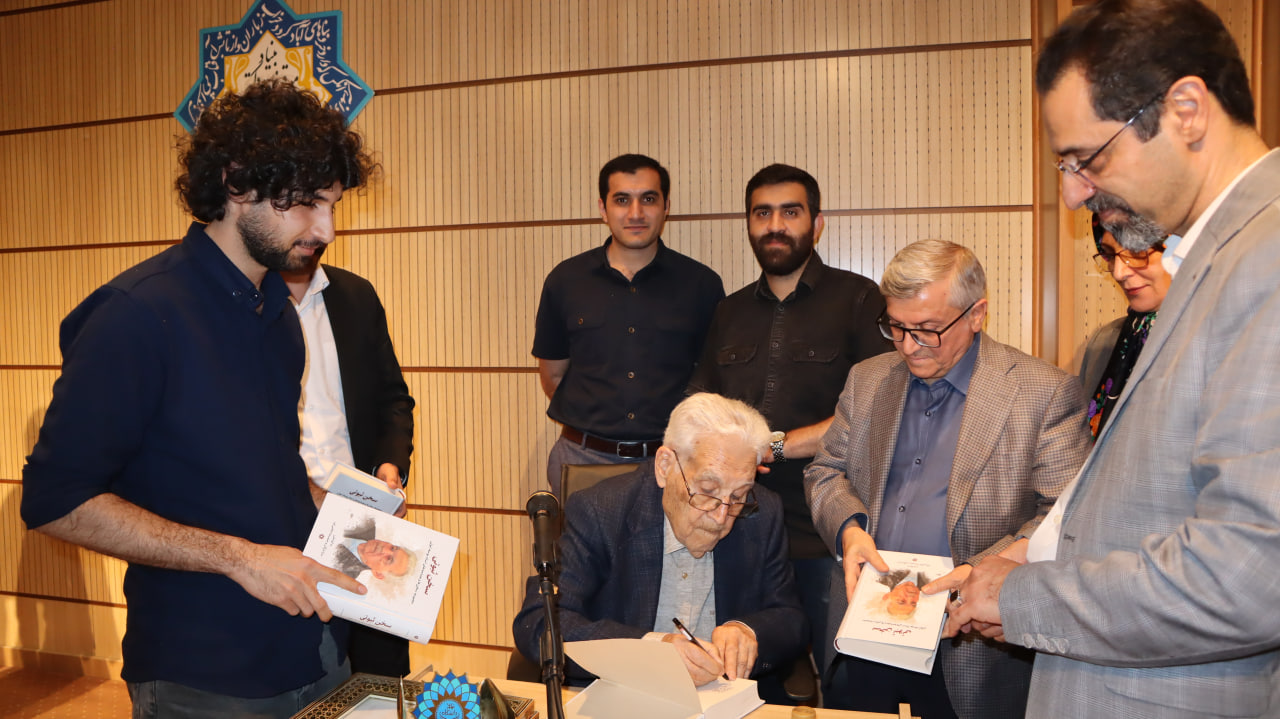
Prof Yousef Sobouti then took the podium as the final speaker and said, referring to the book, “This is not a unique book. It is more like a miscellany. Whatever has occurred to me over the years or that I have said somewhere, I have written down and set aside. This collection is the result of those writings and speeches, remarks that I was sometimes asked to deliver and sometimes wished to express myself.”
He added, “What I have always tried to do is to learn and to teach.”
He then read part of his own writing on the nature of the empirical sciences and, referring to the works of Abu Bakr Muhammad ibn al-Hasib al-Karaji, the mathematician and engineer of the fourth and fifth centuries AH, said, “In a book on underground waters, Karaji explains, on the basis of observation and reasoning, how water moves through the layers of the earth and why it tends towards the centre of the earth. The importance of his work lies in the fact that his conclusions were grounded in observation of nature.”
Sobouti continued, “In the empirical sciences there are three essential characteristics, first, principles derived from observation; second, reasoning and inference based on mathematical logic; and third, testing conclusions through experiment and renewed observation. Any field that departs from this path falls into stagnation.”
Referring to the development of science, he said, “Many philosophical concepts in the East and West remained unchanged for centuries because they did not follow this pattern. In contrast, empirical science has advanced through more precise observation, new questions, and continual testing.”
He then referred to a remark by Albert Einstein and said, “Einstein says that the only benefit of our concepts and systems of concepts is that they justify our observations, and beyond that they have no legitimacy. Past thinkers sometimes extended concepts beyond the scope of their validity. Scholars such as Biruni and Ibn al-Haytham understood the importance of observation and experiment. Biruni tested common beliefs through experiment, and Ibn al-Haytham designed the camera obscura to understand light. Unfortunately, this empirical outlook less often became a sustained scientific tradition.”
Referring to the transformation of science in Europe, he said, “From Aristotle to Galileo, centuries passed before abstract debates about motion were set aside and Galileo, through experiments on falling bodies, showed that light and heavy objects fall with equal acceleration, a discovery that later assumed an important place in Einstein’s theory of relativity. Thereafter, Newton formulated the laws of motion and gravitation, and mechanics became a coherent science, explaining everything from the movement of a stone to the motion of planets and galaxies. Here the issue is no longer dispute and sophistry, but observation, measurement, and testing.”
He added, “Scientific progress has always been formed on the basis of more precise observation and better measuring instruments. We first observe, then derive a law, then infer from it through mathematical logic, and once again test everything against observation. This process is repeated time and again.”
Sobouti concluded, “Despite all scientific advances, we must not become arrogant. What we do not know about the world and the universe today is far greater than what we know.”
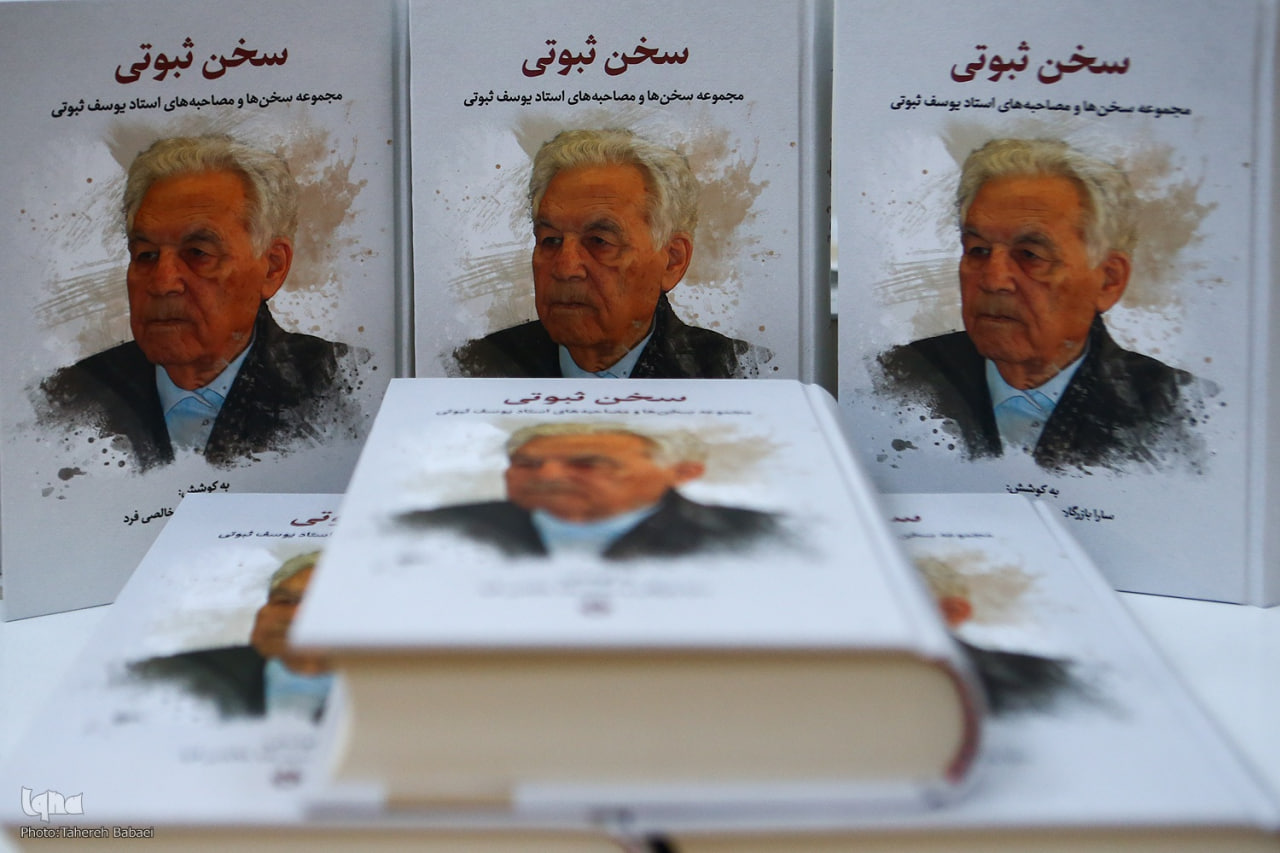
In the final part of the ceremony, the book Sokhan-e Sobouti, which addresses the scientific and cultural ideas and views of this distinguished scholar, was unveiled.
Wed, 13 May 2026
Developed by the IASBS Computer Centre
IP Address:[216.73.217.169] Browser: Mozilla/5.0 AppleWebKit/537.36 (KHTML, like Gecko; compatible; ClaudeBot/1.0; +claudebot@anthropic.com)